
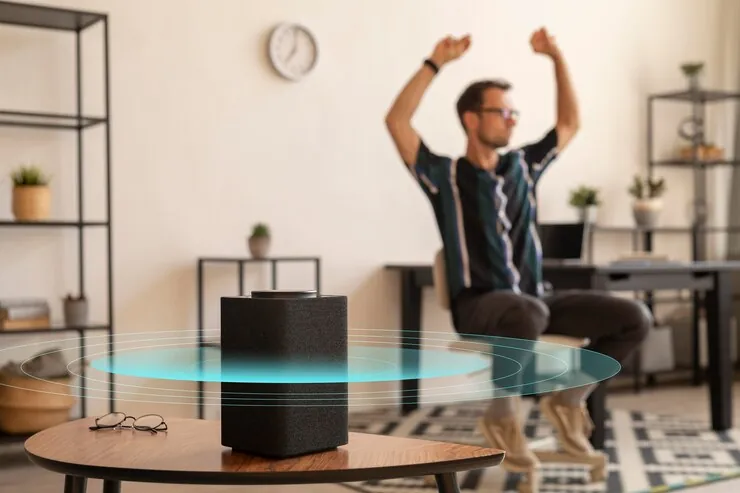
Indoor air quality plays a crucial role in maintaining health and comfort. With increasing concerns about pollutants, allergens, and airborne pathogens, air purifiers have become essential devices for many households. This guide explores how air purifiers work, their benefits, and tips for choosing the right one for your home.
Understanding Indoor Air Quality
Common Pollutants
Indoor air can be up to five times more polluted than outdoor air. Common pollutants include:
- Dust and Dust Mites: Microscopic particles from skin cells, fabrics, and dirt.
- Pet Dander: Tiny flakes of skin shed by animals.
- Pollen: Seasonal allergens that enter through windows and doors.
- Volatile Organic Compounds (VOCs): Emitted by household products like paints and cleaning supplies.
- Smoke and Odors: From cooking, tobacco, or candles.
- Mold Spores: Airborne particles from damp or humid areas.
Health Effects of Poor Air Quality
Prolonged exposure to indoor pollutants can cause:
- Allergies and asthma symptoms.
- Respiratory issues.
- Fatigue and headaches.
- Long-term effects on heart and lung health.
How Air Purifiers Work
Filtration Systems
Air purifiers use advanced filtration systems to trap and eliminate pollutants. Key components include:
- HEPA Filters (High-Efficiency Particulate Air): Capture particles as small as 0.3 microns, including allergens and dust.
- Activated Carbon Filters: Absorb odors, VOCs, and harmful gases.
- UV-C Light: Kills bacteria, viruses, and mold spores.
- Ionic Generators: Release negatively charged ions to neutralize airborne particles.
Stages of Purification
- Pre-Filter: Captures larger particles like hair and dust.
- Main Filter: Removes finer particles, allergens, and pollutants.
- Specialized Layers: Address specific concerns, such as odors or microorganisms.
Benefits of Air Purifiers
1. Reducing Allergens
Air purifiers effectively trap pollen, dust mites, and pet dander, reducing allergy symptoms and improving breathing.
2. Removing Harmful Pollutants
HEPA and activated carbon filters remove harmful VOCs, smoke, and other pollutants, creating a safer indoor environment.
3. Eliminating Odors
Activated carbon filters absorb odors from cooking, pets, and tobacco, leaving your home smelling fresh.
4. Fighting Airborne Pathogens
UV-C light and high-efficiency filters reduce the spread of bacteria, viruses, and mold spores, promoting better health.
5. Improving Sleep Quality
By reducing allergens and odors, air purifiers create a more comfortable and restful sleeping environment.
Choosing the Right Air Purifier
Room Size
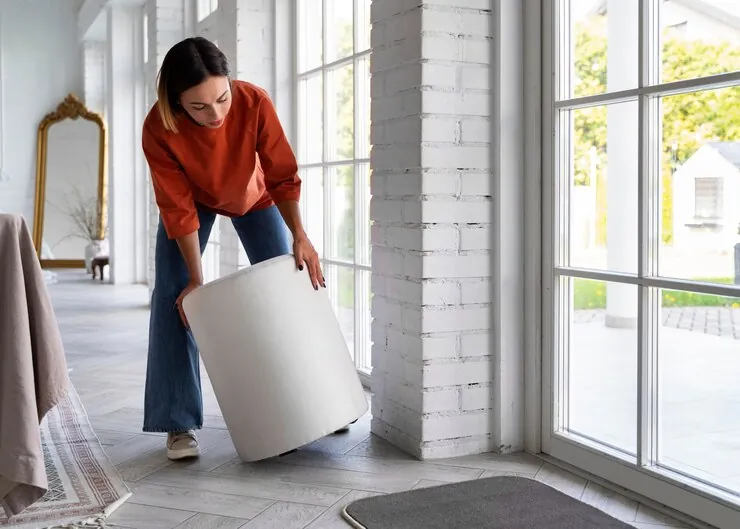
Select a model designed for the size of your room. Air purifiers with higher Clean Air Delivery Rates (CADR) are more effective in larger spaces.
Type of Filter
Choose filters based on your specific needs:
- Allergies: Look for HEPA filters.
- Odors: Prioritize activated carbon filters.
- Pathogens: Consider models with UV-C light.
Noise Levels
For bedrooms or quiet spaces, select air purifiers with lower noise levels or night modes.
Energy Efficiency
Energy-efficient models help save on electricity costs without compromising performance.
Tips for Using Air Purifiers Effectively
- Place Strategically: Position the air purifier in areas with high pollutant levels, such as bedrooms or living rooms.
- Keep Windows Closed: Prevent outdoor pollutants from entering while the purifier is in use.
- Clean and Replace Filters: Follow the manufacturer’s guidelines for cleaning or replacing filters to maintain efficiency.
- Run Continuously: For the best results, keep the air purifier running throughout the day.
Final Thoughts
Air purifiers are powerful tools for improving indoor air quality and protecting your health. By understanding how they work and selecting the right model for your needs, you can enjoy cleaner, fresher air in your home. Regular use and proper maintenance will ensure long-term benefits, creating a healthier living space for you and your family.