

In the age of online shopping, where impulse buys and flash sales are just a click away, deciphering return policies can feel like decoding a secret language that only retailers understand. Imagine this: you’ve found the perfect pair of shoes or that gadget you’ve been eyeing for months, but when it arrives, it’s either too big, too small, or doesn’t quite live up to your expectations.
Before you dive into the checkout process, understanding a company’s return policy could be your safety net against buyer’s remorse. Analyzing return policies is not merely an afterthought; it’s an essential part of making informed purchasing decisions.
These policies can vary dramatically from one retailer to another—from strict no-return clauses to generous 90-day satisfaction guarantees—impacting both your wallet and peace of mind. A well-understood policy not only provides clarity on how easy it is to send items back but also sheds light on hidden fees or potential hurdles that could complicate your experience should things go awry.
So before you hit Buy Now, let’s explore how to navigate and evaluate these crucial yet often overlooked aspects of retail transactions. In a world where online shopping has become as ubiquitous as morning coffee, consumers often find themselves swept up in the thrill of finding the perfect item at an unbeatable price.
However, amidst the excitement of virtual cart-stuffing, one crucial aspect frequently gets overlooked: the retailer’s return policy. Imagine this scenario: you’ve eagerly awaited a package only to discover that your much-anticipated purchase is too small, the color is off, or it simply doesn’t live up to expectations. Suddenly, that bargain becomes a source of frustration rather than joy.
Analyzing return policies before making a purchase isn’t just about understanding how and when you can send something back; it’s about empowering yourself as a consumer. A well-crafted return policy can save you time, money, and emotional energy in the long run.
By taking a few moments to scrutinize these policies—whether you’re shopping for clothing, electronics, or home goods—you can ensure peace of mind with every click on Buy Now. So let’s dive into how to effectively evaluate these policies and make informed decisions that protect your interests while navigating the bustling marketplace!
Understanding Return Policies Importance
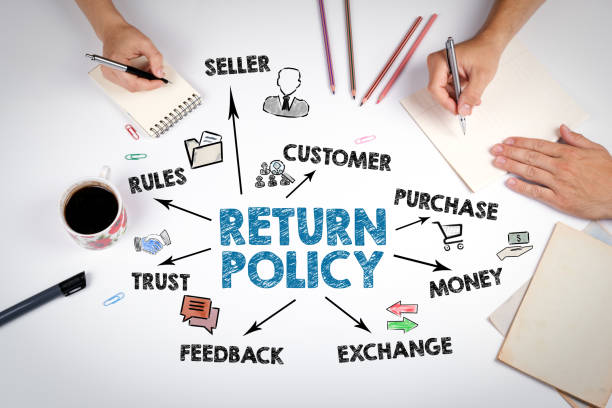
Return policies serve as a crucial safety net for consumers, offering them peace of mind while navigating the often uncertain landscape of online and in-store shopping. A transparent return policy not only reflects a retailer’s confidence in their products but also indicates a commitment to customer satisfaction.
When buyers know they can easily return or exchange items that don’t meet their expectations, they are more likely to make purchases without hesitation. Moreover, understanding return policies goes beyond simple convenience; it allows consumers to make more informed decisions.
Many shoppers overlook the fine print, which can contain vital information about time limits, conditions for returns, and restocking fees. By evaluating these elements upfront, you empower yourself to avoid unexpected costs and frustration down the line.
Thus, taking the time to analyze return policies before buying is not just about protecting your investment—it’s an integral part of a savvy shopping strategy that prioritizes both informed choices and responsiveness to potential issues post-purchase.
What Are Return Policies?

Return policies are more than just a safety net for consumers; they serve as a window into a retailer’s values and customer service philosophy. A well-structured return policy not only protects customers from buyer’s remorse but also fosters trust and loyalty.
For instance, companies that offer hassle-free returns often see higher customer satisfaction rates, which can lead to repeat business and positive word-of-mouth referrals. This dynamics highlights how businesses are increasingly recognizing the importance of making the shopping experience seamless and stress-free.
Moreover, it’s essential to analyze the nuances within return policies rather than just looking at the general timeframe for returns. Factors such as restocking fees, return shipping costs, and conditions for refunds can significantly impact your purchasing decision.
Some retailers might impose stringent requirements that could discourage you from returning an item altogether, while others may provide multiple avenues for returns—like in-store drop-offs or prepaid shipping labels—making it more convenient if you need to send something back.
Understanding these details can empower consumers to make informed choices about where they shop, ensuring they select retailers that align with their expectations of quality merchandise and supportive service practices.
Key Terms to Know in Return Policies

Understanding the key terms in return policies can transform the way you shop, empowering you to make informed decisions before making a purchase. One essential term is “return window,” which refers to the time frame during which you can return an item for a refund or exchange.
Policies can vary significantly—some retailers offer generous 30 to 90-day windows, while others may restrict returns to as little as 14 days. Knowing these specifics helps in evaluating whether a product is worth purchasing based on how often you shop and your decision-making process.
Another critical term is “restocking fee,” which is often overlooked but can impact your wallet more than expected. This fee applies when returning certain items—especially electronics or opened products—and can range from 10% to 20% of the purchase price.
Understanding this factor encourages consumers to think twice about their purchases, weighing the excitement against potential costs should they need to return an item. Finally, look out for phrases like final sale or as-is, indicating that certain items are non-returnable; being aware of such distinctions builds your confidence in making choices that align with your preferences while keeping unexpected surprises at bay.
Why Analyzing Return Policies Matters

Delving into return policies is crucial because they act as a safety net for consumers, significantly influencing purchasing confidence. A favorable return policy not only minimizes the financial risk associated with online shopping but also enhances overall customer satisfaction.
When you know that returning an item will be hassle-free and possibly free of charge, it encourages more adventurous buying decisions—like trying new styles or brands without the fear of being stuck with something unsatisfactory.
Moreover, analyzing these policies can reveal a brand’s values and commitment to customer service. A company that offers flexible returns often places importance on consumer trust and satisfaction, signaling a willingness to foster long-term relationships over short-lived sales.
In contrast, rigid or obscure return policies may indicate potential issues with product quality or customer support. Therefore, understanding these intricacies not only protects your wallet but also helps you align yourself with brands that prioritize your experience as a shopper.
Steps to Review a Retailer’s Policy

When dissecting a retailer’s policy, start with the details that matter most: the return window. Many retailers offer varying timeframes for returns, and understanding whether it’s 30, 60, or even 90 days can significantly impact your purchasing decisions.
Additionally, look for any seasonal exceptions or promotional alterations—some stores may extend their return policies during holiday seasons but revert to standard practices afterward. This fluidity is often overlooked yet essential in strategizing your purchase timing.
Next up is to scrutinize the method of return. Does the retailer require original packaging? Are there restocking fees? These specifics can dictate how hassle-free—or cumbersome—the process will be should you need to make a return.
It’s also important to evaluate whether returns must occur in-store or if shipping options are available. A retailer that offers flexible approaches speaks volumes about their commitment to customer satisfaction and can enhance your overall shopping experience.
Finally, consider checking customer reviews specifically discussing their experiences with returns; real-world feedback provides valuable insights into how well policies are upheld when it comes time for action.
Common Red Flags in Return Policies
When dissecting a return policy, consumers should be wary of vague language that leaves too much to interpretation. Terms like “reasonable condition” or “satisfactory” can signal trouble; what one retailer considers acceptable might not align with your own standards.
Look for detailed descriptions instead—clear explanations of what is deemed damaged, used, or unsellable can indicate a more customer-friendly approach. Moreover, check for hidden clauses that may require you to jump through hoops before even initiating a return.
Another red flag is the time constraint imposed on returns. While it’s common for companies to set limits (30 days being standard), excessively short windows of 14 days or less can feel like an attempt to trap consumers into keeping unwanted items.
Additionally, be cautious of restocking fees which may cut into your refund and deter you from returning products altogether. A transparent policy that embraces hassle-free returns sends a strong message about the company’s confidence in its products and commitment to customer satisfaction. Always trust your instincts—if something feels off about their return process, it could very well be worth skipping the purchase altogether.
How to Compare Different Retailers’ Policies

When comparing different retailers’ policies, it’s essential to look beyond the basics of return periods and restocking fees. Delve into the nuances that can make a significant difference in your shopping experience.
For instance, some retailers might offer an extended return window during certain holiday seasons or provide exclusive options for loyalty program members. Additionally, check if they allow returns to physical stores for online purchases—this feature can save you time and shipping costs if you happen to be near one of their locations.
Another critical aspect is how each retailer handles items that are damaged or defective upon arrival. A straightforward policy for remedies—such as immediate exchanges or pre-paid shipping labels—can greatly ease your post-purchase stress.
Reviews and forums where previous customers discuss their experiences can also provide invaluable insights about how efficiently a retailer processes returns and refunds, helping you gauge not just the written policy but its true practicality in real-world scenarios. Ultimately, a retailer’s flexibility and customer service approach can often outweigh the advertised benefits of seemingly better policies elsewhere.
The Role of Customer Reviews in Returns

Customer reviews serve as a vital lens through which potential buyers assess not only the quality of a product but also the reliability of its return policy. When consumers share their experiences—whether positive or negative—they inadvertently paint a picture of what to expect should they need to return an item.
A review detailing a smooth return process can bolster confidence in a purchase, while stories of hassle and frustration may deter shoppers from completing their transactions. Moreover, analyzing trends in customer feedback can reveal underlying issues with specific products or brands that aren’t immediately apparent in the return policy itself.
For instance, if multiple reviews mention sizing inconsistencies leading to returns, savvy shoppers might rethink their size choices before buying or look for alternatives. In this way, customer reviews not only inform about the likelihood of needing to return an item but also provide critical insights that help avoid pitfalls altogether, ultimately enriching the purchasing experience beyond standard policies and terms.
Tips for Simplifying the Return Process
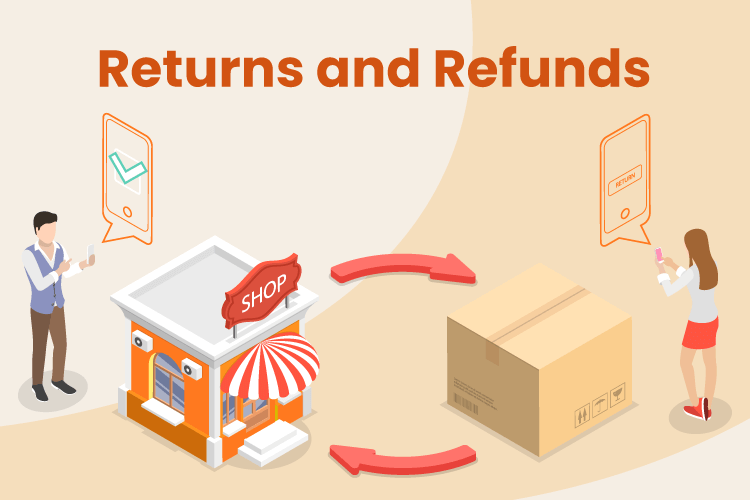
One effective way to simplify the return process is to familiarize yourself with the specific steps required for returning an item before you make a purchase. Understanding whether returns can be initiated online or require a visit to a physical store can save you time and stress later on.
Many retailers now offer user-friendly apps that allow customers to manage returns seamlessly, complete with QR codes that streamline the drop-off. Taking advantage of these digital tools not only enhances your shopping experience but also reduces the hassle associated with traditional return procedures.
Another vital tip is to keep all original packaging and receipts until you’re sure about your purchase. Retailers often specify that items must be returned in their original condition, and having everything ready can ensure a smoother transition should you decide to return an item.
Additionally, consider selecting retailers known for their customer-centric return policies; stores that prioritize hassle-free returns often foster greater trust in their brand. By prioritizing clarity and organization from the start, you’ll navigate the return landscape like a pro, turning potential frustrations into manageable tasks.
Making Informed Purchase Decisions

In today’s consumer-driven landscape, the ability to make informed purchase decisions extends far beyond merely comparing prices and product features; it encompasses a deep understanding of return policies.
These policies can often unveil a retailer’s commitment to customer satisfaction and quality assurance. By dissecting the intricacies of return regulations, such as time frames, restocking fees, and acceptable conditions for returns or exchanges, shoppers gain valuable insights that can help mitigate potential pitfalls.
A generous return policy can transform what might feel like a risky investment into an opportunity for exploration without the fear of being stuck with unwanted purchases. Moreover, understanding return policies not only safeguards your finances but also enhances your overall shopping experience.
Consumers who are well-versed in these guidelines are empowered to shop confidently and strategically. This knowledge allows you to focus on finding products that truly resonate with you instead of worrying about whether you’ll be able to navigate the maze of returns if needed.
Ultimately, by prioritizing transparent return practices in your buying journey, you’re making a statement about valuing both quality products and reputable businesses—a practice that fosters customer loyalty while encouraging retailers to uphold high standards in their offerings.