

The right footwear not only completes your outfit but also plays a vital role in comfort and functionality. With countless options available, selecting the perfect pair can be overwhelming. This guide provides practical tips to help you choose footwear that suits your style, fits well, and keeps you comfortable throughout the day.
1. Understand Your Needs
Identify the Occasion
- Casual Wear: Sneakers, loafers, or sandals are great for daily activities.
- Formal Events: Opt for dress shoes, heels, or elegant flats.
- Active Use: Look for running shoes or hiking boots designed for performance.
- Seasonal Needs: Boots for winter, breathable sandals for summer.
Lifestyle Considerations
Think about how often you’ll wear the shoes and the environments you’ll be in. For example, if you walk or stand a lot, prioritize comfort and support.
2. Focus on Fit
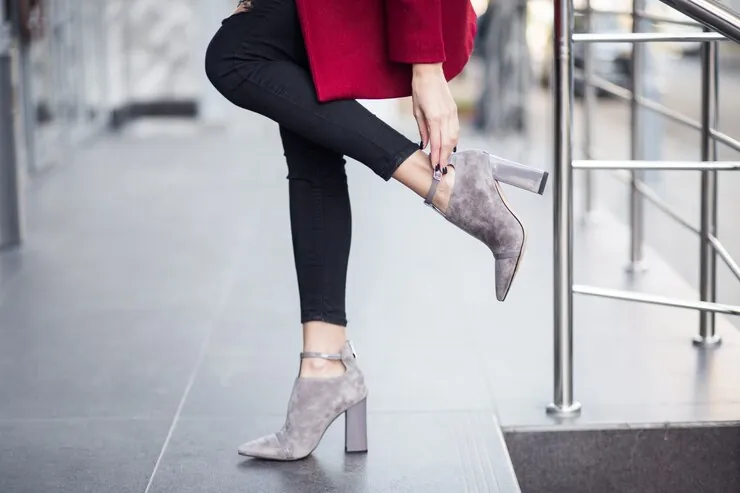
Measure Your Feet
Feet can change in size over time. Measure both feet—one may be slightly larger—and choose shoes that accommodate the larger foot.
Test the Fit
- Walk around in the shoes to ensure there’s no pinching or slipping.
- Make sure there’s about a thumb’s width of space between your longest toe and the shoe’s front.
Consider Width
Some brands offer wide or narrow sizes. Ensure the shoe fits comfortably across the widest part of your foot.
3. Prioritize Comfort and Support
Look for Arch Support
Choose footwear with adequate arch support for your foot type—whether it’s flat, neutral, or high arches. This helps prevent pain and long-term issues.
Check Cushioning
Shoes with padded insoles reduce impact and provide a more comfortable experience, especially for all-day wear.
Inspect the Sole
The sole should offer a balance of flexibility and sturdiness. Non-slip soles are ideal for added safety.
4. Match Footwear to Your Style

Coordinate with Your Wardrobe
Choose versatile colors and designs that complement your clothing. Neutral tones like black, white, or beige are timeless, while bold colors or patterns can make a statement.
Follow Trends, But Stay Practical
Trendy footwear can enhance your style, but prioritize functionality for daily use. Save statement pieces for special occasions.
5. Consider Material and Durability
Breathable Materials
For warm weather, look for shoes made of mesh or lightweight fabrics. Leather or suede is better suited for cooler months.
Water Resistance
For rainy or snowy conditions, opt for waterproof materials like treated leather or synthetic fabrics.
Longevity
Invest in well-made shoes with durable stitching and quality materials to save money in the long run.
6. Know Your Foot Type

Flat Feet
Look for shoes with added arch support and stability features.
High Arches
Cushioned soles and flexible designs help absorb shock and provide comfort.
Overpronation or Supination
Specialized shoes or insoles can correct these gait issues and reduce discomfort.
7. Don’t Forget Seasonal Needs
Summer Footwear
Choose breathable sandals or lightweight sneakers to keep your feet cool and comfortable.
Winter Footwear
Opt for insulated and waterproof boots to stay warm and dry.
Rainy Weather
Consider rubber boots or shoes with water-resistant coatings to protect against moisture.
8. Test and Maintain Your Footwear
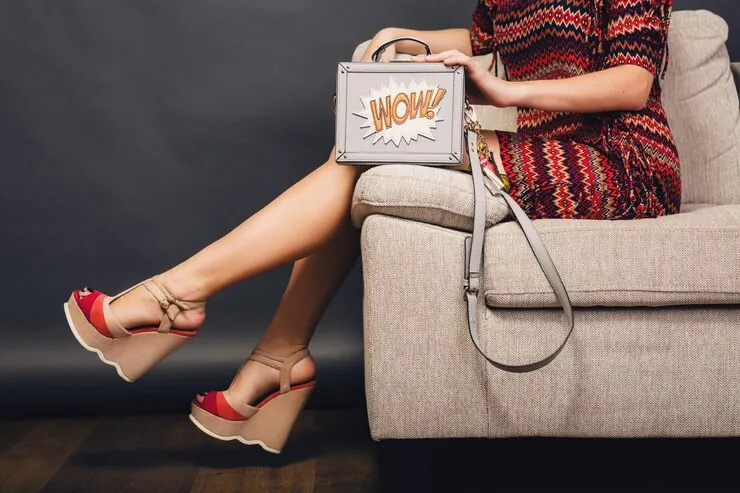
Break Them In
Wear new shoes around the house before venturing out to avoid blisters.
Replace Insoles
If your shoes are otherwise in good condition but lack support, consider adding high-quality insoles.
Regular Cleaning and Care
Proper cleaning and storage prolong the life of your footwear. Use appropriate cleaning methods based on the material.
Final Thoughts
Choosing the perfect footwear is about balancing style, comfort, and functionality. By understanding your needs and considering factors like fit, support, and materials, you can find shoes that not only look great but also keep your feet happy. Take your time trying on different styles, and don’t hesitate to invest in quality pairs that will serve you well for years to come.