
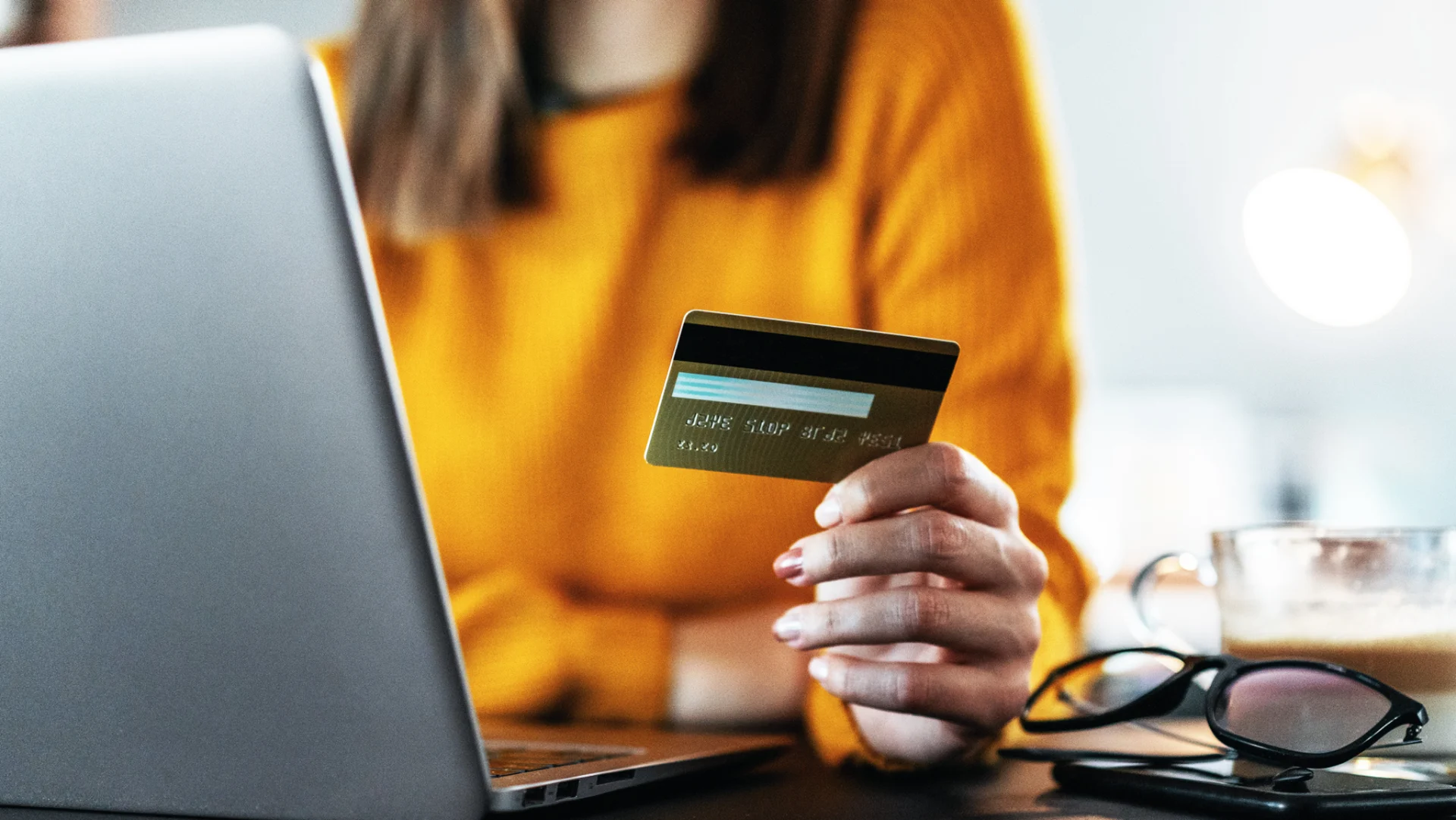
“Buy Now, Pay Later” (BNPL) services have gained immense popularity for their convenience and accessibility. They allow consumers to purchase items immediately and pay for them over time in smaller installments, often without interest—at least initially. While these schemes might seem like a win-win, they come with hidden costs and risks that can have significant financial and psychological impacts.
1. Encouragement of Overspending
BNPL schemes make it easy to overextend financially. By breaking down costs into smaller payments, consumers are more likely to buy items they cannot afford upfront. This perceived affordability can lead to impulse purchases, ultimately inflating monthly expenses and creating financial strain.
2. Late Payment Penalties
While many BNPL services offer interest-free periods, missing a payment can trigger hefty penalties. Late fees can quickly add up, turning a seemingly manageable expense into a financial burden. Additionally, some services may retroactively charge interest on the entire purchase amount if you default.
3. Impact on Credit Scores
BNPL providers often perform soft credit checks, which may not initially impact credit scores. However, missed payments can be reported to credit bureaus, potentially damaging your creditworthiness. Furthermore, using multiple BNPL services can complicate financial management, increasing the risk of missed payments and long-term credit issues.
4. Lack of Transparency in Fees
Some BNPL providers embed hidden fees into their terms. For instance, they might charge administrative fees, rescheduling fees, or even interest rates that kick in after the initial interest-free period. Consumers often overlook these details in the excitement of securing a purchase.
5. Psychological Toll of Debt Accumulation
The illusion of affordability can lead to debt accumulation, which becomes psychologically taxing over time. Constantly juggling multiple payment plans creates financial anxiety, especially when combined with other recurring expenses. This can impact mental well-being and create a cycle of dependency on credit.
6. Retailer-Driven Markups
Retailers offering BNPL often inflate their prices to offset the commission they pay to BNPL providers. While consumers may think they’re benefiting from payment flexibility, they might actually be paying more than they would with traditional payment methods.
7. Limited Consumer Protections
BNPL schemes often lack the consumer protections associated with credit cards. For example, disputing a faulty product or a service issue might be harder with BNPL providers, leaving consumers vulnerable to financial losses.
8. Long-Term Financial Implications
The ease of BNPL services can lead to chronic reliance on credit for everyday purchases, reducing savings and affecting long-term financial stability. Instead of focusing on building emergency funds or paying off other high-interest debts, consumers might prioritize smaller BNPL payments, creating financial imbalances.
Tips to Avoid the Pitfalls of BNPL
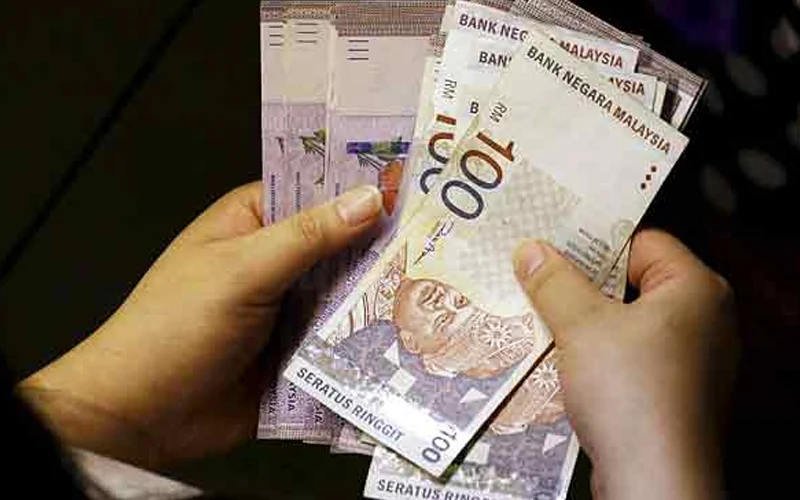
- Budget Wisely: Before opting for BNPL, evaluate whether you can comfortably afford the installments alongside your existing financial obligations.
- Read the Fine Print: Familiarize yourself with the terms, including potential fees and penalties, to avoid surprises.
- Limit Usage: Use BNPL only for essential or planned purchases, not impulsive buys.
- Track Payments: Keep a record of your BNPL commitments to ensure timely payments and avoid late fees.
- Consider Alternatives: Evaluate other options like saving up for a purchase or using a credit card with better protections and manageable interest rates.
While BNPL schemes can provide short-term relief and convenience, their hidden costs and risks often outweigh the benefits. Being mindful of the potential financial and psychological impacts is essential for making informed decisions. By approaching BNPL services cautiously and prioritizing financial planning, you can avoid the pitfalls of debt and maintain long-term financial health.