
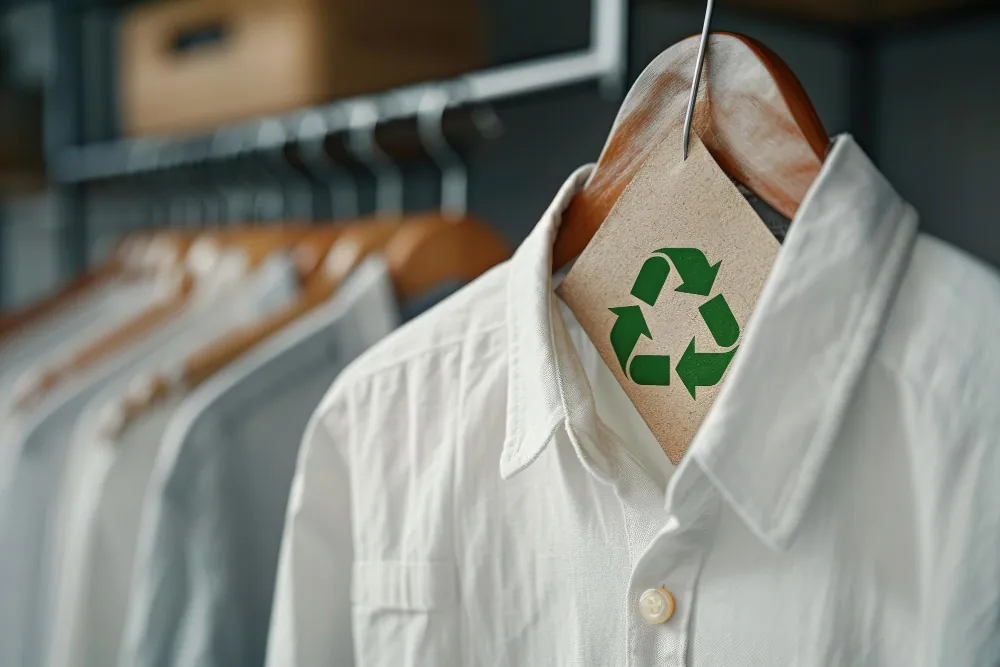
Fast fashion, characterized by inexpensive and rapidly produced clothing to keep up with trends, has significant environmental implications. While it enables consumers to afford new styles frequently, its impact on the planet is staggering.
1. Textile Waste
The fashion industry generates enormous waste, with one garbage truck of textiles burned or sent to landfills every second. Many garments, often made of synthetic fibers, take hundreds of years to decompose, contributing to long-term environmental degradation. Non-biodegradable fabrics exacerbate this issue, sitting in landfills for up to 200 years
2. Water Usage
Fast fashion’s production processes are highly water-intensive. For instance, it takes about 2,700 liters of water to produce a single cotton shirt—equivalent to an individual’s drinking water needs for 2.5 years. Such excessive use depletes freshwater resources, particularly in regions where water is already scarce.
3. Microplastic Pollution
The synthetic fibers used in fast fashion, such as polyester and acrylic, are major contributors to microplastic pollution. When these garments are washed, tiny plastic particles are released into water systems, eventually reaching the oceans and harming marine ecosystems. Reports estimate that 35% of all microplastics in the ocean originate from synthetic textiles.
4. Carbon Footprint
The production and distribution of fast fashion items emit significant greenhouse gases. Manufacturing synthetic fabrics is highly energy-intensive, requiring large amounts of petroleum and releasing harmful chemicals like hydrogen chloride into the atmosphere. Additionally, transporting these garments across global supply chains increases their carbon footprint.
5. Chemical Pollution
Dyeing and finishing textiles involve toxic chemicals that pollute water systems. Many of these chemicals are non-biodegradable and harm aquatic life, as well as nearby communities that rely on these water sources.
6. Exploitation of Resources
The industry’s reliance on materials like cotton, which is heavily treated with pesticides, poses risks to both the environment and the health of farmers. These agricultural practices contribute to soil degradation and water contamination, further straining ecosystems.
Social and Economic Implications

Fast fashion not only damages the environment but also perpetuates social inequalities. Garment workers, often women in developing countries, are subjected to poor wages and unsafe working conditions to meet the demands of fast production cycles.
The 2013 Rana Plaza factory collapse in Bangladesh, which killed over 1,100 workers, highlights the human cost of this industry.
Solutions and the Path Forward
To mitigate these environmental and social challenges, adopting sustainable fashion practices is essential. This includes:
- Promoting Circular Fashion: Recycling and reusing textiles can significantly reduce waste. Brands like Patagonia are leading the way by designing durable clothing and encouraging consumers to repair rather than discard items.
- Encouraging Slow Fashion: Opting for fewer, higher-quality garments can counter the disposability mindset. This movement advocates for ethical production, longer-lasting designs, and reduced consumption.
- Consumer Awareness: Educating consumers about the hidden costs of their purchases can drive demand for environmentally responsible alternatives.
Conclusion
Fast fashion’s affordability and accessibility come at a hidden cost to the planet. By shifting towards sustainable choices—both as consumers and producers—it’s possible to reduce the industry’s environmental footprint and create a more equitable system for all.