

Buying in bulk often appeals to shoppers looking to save money, stock up on essentials, and reduce the frequency of shopping trips. However, while bulk purchasing has its benefits, it isn’t always the most practical or cost-effective option. Depending on your household needs, storage capacity, and consumption habits, bulk buying can lead to waste, unnecessary expenses, and even logistical challenges. This guide explores the potential downsides of bulk shopping and how to approach it wisely.
1. Perishable Items Often Go to Waste

One of the primary drawbacks of bulk buying is the risk of spoilage, especially for perishable items. Foods like dairy, fruits, vegetables, and baked goods are prone to expiration before they can be fully consumed in larger households.
Example
Imagine purchasing a bulk pack of milk or yogurt at a discounted price. If your household can’t consume it before the expiration date, you’ll end up wasting both the product and your money.
Solution
Avoid buying perishable goods in bulk unless you have a clear plan to use or preserve them. Freezing certain items can help extend their shelf life.
2. Limited Storage Space at Home

Storage limitations are another common challenge with bulk shopping. Large packages of household essentials, like cleaning supplies or pantry items, require adequate storage space to keep your living area organized.
Tip
Assess your storage capacity before making bulk purchases. If storing bulk items causes clutter or makes accessing everyday items difficult, it might not be worth the savings.
3. Higher Upfront Costs

Although bulk items often cost less per unit, the total upfront expense can strain your monthly budget. For shoppers with tight finances, this can create immediate financial stress.
Example
A year’s supply of laundry detergent may seem like a great deal, but the upfront cost might disrupt your spending plan for the month.
Solution
Weigh the benefits of long-term savings against the impact on your current budget. Spreading out purchases over time may be a better approach for certain items.
4. Overspending on “Good Deals”

Retailers often use marketing tactics to promote bulk deals, enticing customers to spend more than intended. The “buy more, save more” psychology can lead to purchases of unnecessary items.
Example
Buying a bulk pack of a rarely-used spice just because it’s discounted might not be cost-effective in the long run.
Tip
Stick to a shopping list and evaluate whether the deal truly benefits your household. Don’t let flashy discounts dictate your spending.
5. Reduced Product Variety
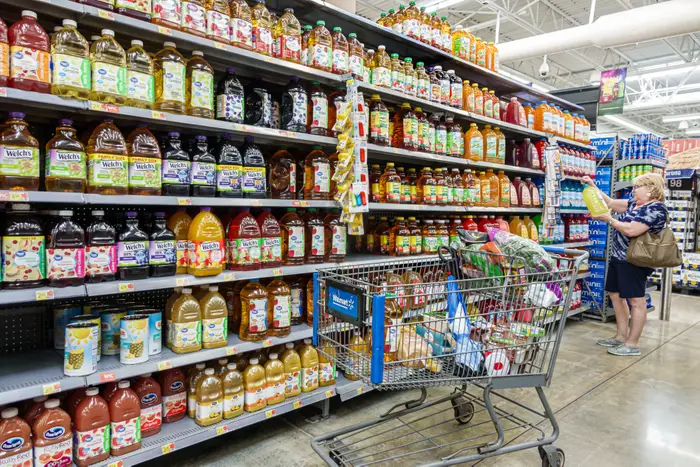
Buying in bulk typically involves committing to one brand or product for a longer period. If your preferences change or better options become available, you might feel stuck with your earlier purchase.
Solution
Start with smaller quantities when trying new brands or products. This helps ensure satisfaction before committing to larger purchases.
6. Difficulty Managing Portion Control

Having large quantities of food or snacks at home can sometimes lead to overconsumption. This is particularly problematic for households with children or those trying to maintain a healthy lifestyle.
Tip
Divide bulk purchases into smaller, portion-controlled servings to prevent overindulgence and promote healthier eating habits.
7. Misleading Bulk Discounts

Not every bulk deal is as cost-effective as it seems. Sometimes, smaller packages of the same item are on sale and offer a better price per unit than the bulk option.
Example
A 10-pack of canned soup might cost more per unit than buying individual cans on sale.
Solution
Always compare unit prices to determine the better value. Don’t assume that bulk automatically means savings.
8. Expired Non-Food Items

Non-perishable goods, like beauty products, cleaning supplies, or medications, often have expiration dates. Buying these items in bulk might lead to waste if they aren’t used in time.
Example
A bulk pack of sunscreen or batteries may degrade over time, becoming ineffective or unsafe to use.
Tip
Only buy non-food items in bulk if you’re confident they’ll be used before their expiration date.
9. Environmental Implications of Waste
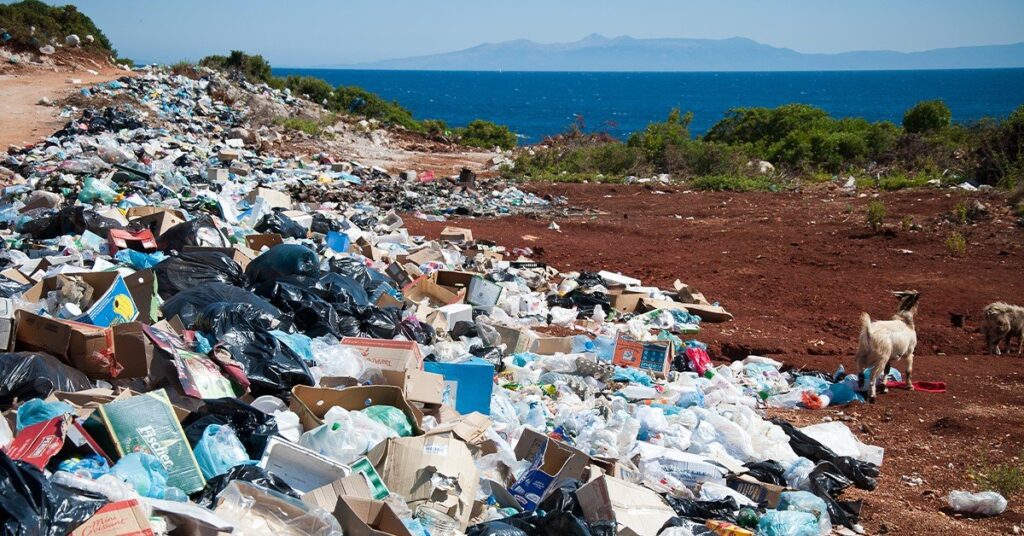
While buying in bulk can reduce packaging waste, it can also have negative environmental consequences if products aren’t consumed. Wasting food or goods means wasting the resources used to produce and transport them.
Solution
Prioritize buying bulk items that align with sustainable consumption habits. Focus on products you know will be used efficiently.
10. Bulk Purchases Don’t Fit All Households
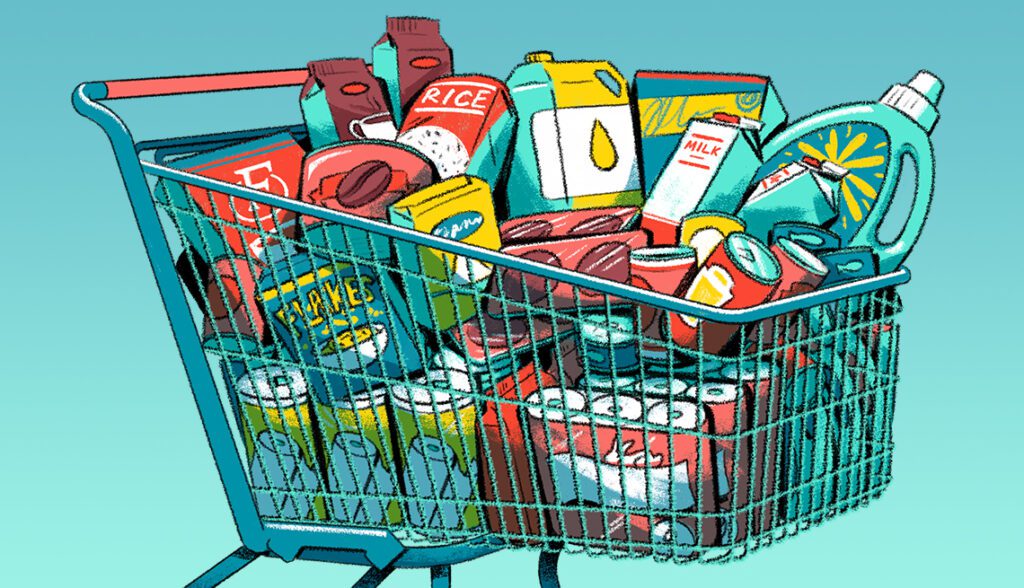
For individuals or smaller households, bulk buying may result in excessive quantities that take years to consume. Items like a 20-pound bag of rice or a jumbo pack of snacks might lose their quality before they’re fully used.
Tip
Consider splitting bulk purchases with friends or family members. This way, you can still enjoy the cost savings without the risk of waste.
11. Lack of Flexibility for Changing Needs

Bulk buying locks you into large quantities of a product, leaving little room for changes in preferences, dietary needs, or trends.
Example
If your family switches to a gluten-free diet, a bulk purchase of regular pasta might go unused.
Solution
Plan your bulk purchases carefully, especially for items that may become irrelevant or unsuitable over time.
Conclusion
Buying in bulk can be a great strategy to save money, reduce trips to the store, and stock up on essentials. However, it’s not always the best option for every situation. Factors like storage space, consumption habits, budget constraints, and the risk of waste must all be considered before committing to bulk purchases. By shopping mindfully and evaluating each purchase, you can make decisions that truly benefit your household without unnecessary waste or expense.