
Big purchases—whether a car, home renovation, or luxury item—can strain your finances if not managed wisely. However, with strategic planning and financial discipline, you can afford major expenses without resorting to debt. Here are actionable steps to help you achieve this goal.
1. Set a Clear Savings Goal
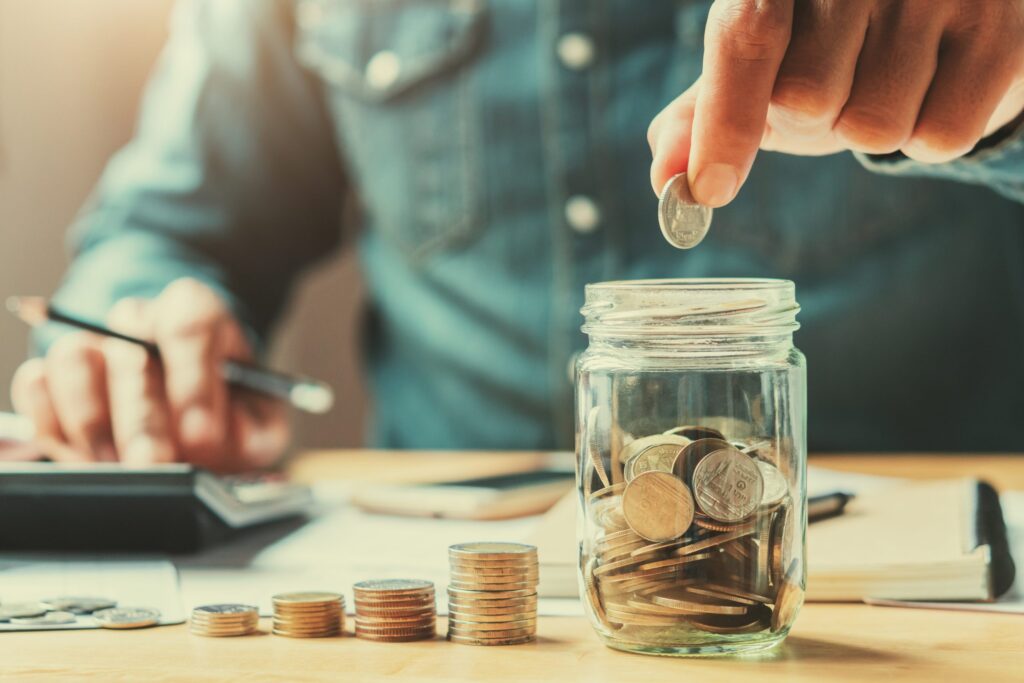
Begin by determining the exact cost of your big purchase, including taxes, delivery fees, and any other associated expenses. Once you have a figure:
- Break it into smaller, manageable savings milestones.
- Decide on a timeline to reach your goal based on your income and spending capacity.
Example: If a purchase costs $5,000 and you aim to save in 12 months, you’ll need to set aside about $417 monthly.
2. Create a Dedicated Savings Account
Opening a separate savings account for your goal keeps funds untouched and easy to track. Look for high-yield savings accounts or money market accounts that earn interest while keeping your money accessible.
Automate monthly transfers to this account to ensure consistent progress.
3. Budget for the Purchase

Revisit your monthly budget and allocate a portion of your income toward your savings goal. To free up funds:
- Cut Non-Essential Expenses: Reduce discretionary spending on dining out, subscriptions, or impulse purchases.
- Pause Luxuries: Temporarily limit spending on vacations or high-end items to prioritize your savings goal.
- Reevaluate Fixed Costs: Negotiate lower rates on bills like insurance, utilities, or phone plans.
4. Use Cash Windfalls Wisely

Tax refunds, bonuses, or gifts are excellent opportunities to boost your savings. Instead of spending windfalls, allocate them directly toward your big purchase goal.
Tip: Treating unexpected income as a savings tool helps you reach your target faster.
5. Leverage Side Hustles

If your regular income doesn’t allow for significant savings, consider taking on a side hustle or freelance work. Options include:
- Selling unused items online.
- Offering skills such as tutoring, graphic design, or pet sitting.
- Driving for ride-sharing services or delivering food.
Even a few extra hours weekly can significantly increase your savings over time.
6. Wait for Discounts and Deals

Patience can save you a significant amount on big purchases. Monitor prices over time and wait for sales events like:
- Black Friday or Cyber Monday.
- Seasonal clearance periods.
- Store-specific promotions or membership discounts.
Tip: Use price comparison tools or apps to ensure you’re getting the best deal.
7. Consider Layaway Plans Instead of Credit
Some retailers offer layaway programs, allowing you to pay for items in installments before taking them home. These plans are often interest-free, making them a better alternative to credit cards.
Caution: Read the terms carefully to avoid hidden fees or cancellation penalties.
8. Avoid Impulse Buying
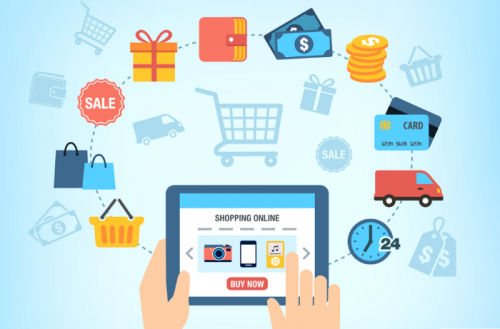
Big purchases often feel exciting, but acting impulsively can derail your financial health. Before committing:
- Wait at least 24-48 hours to reassess your decision.
- Research thoroughly to ensure you’re getting the best value for money.
- Consider alternative options that might offer similar satisfaction at a lower cost.
9. Pay with Cash Instead of Credit
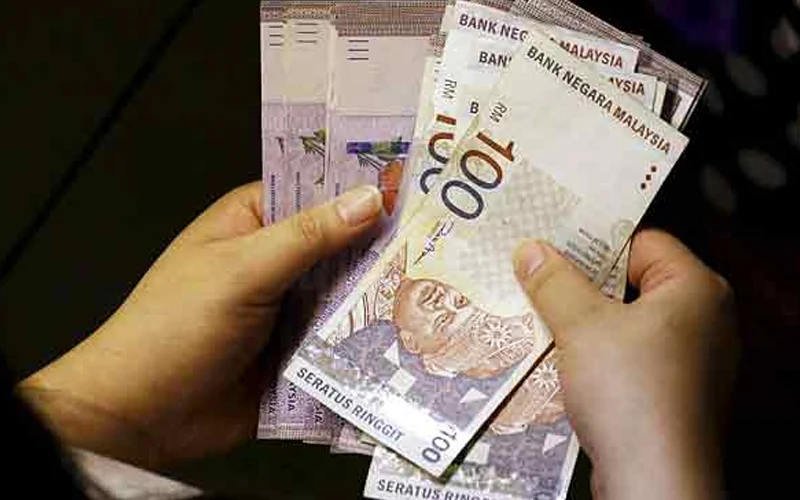
Paying upfront with cash ensures you’re only spending what you can afford. It also removes the temptation of overspending, which is easier with credit cards.
Psychological Benefit: Handing over physical cash can make you more mindful of the expense compared to swiping a card.
10. Track Progress and Adjust
Regularly review your savings and spending habits to ensure you’re on track. If unexpected expenses arise, adjust your timeline or savings amount as needed to avoid falling into debt.
Making big purchases without debt requires careful planning, discipline, and patience. By setting a goal, saving diligently, and exploring alternatives, you can enjoy the satisfaction of owning something substantial without the burden of financial stress. With these strategies, your big purchase can be a reward for your financial mindfulness rather than a source of worry.