

Subscription services have become a staple of our daily lives—streaming platforms, meal kit deliveries, fitness apps, and more. While they provide convenience and entertainment, they can also quietly add up to a significant chunk of your monthly expenses without you realizing it.
This phenomenon, known as subscription creep, occurs when multiple small subscriptions accumulate over time, leading to higher costs than originally anticipated.
Fortunately, there are effective strategies to avoid subscription creep and reduce your monthly spending. Here’s how you can take control of your subscriptions and make sure you’re not overspending.
1. Track Your Subscriptions

The first step in avoiding subscription creep is to track all your active subscriptions. It’s easy to forget about some services, especially when they’re charged on an annual basis or through app stores. To make the process simpler:
- Use Subscription Tracking Apps: Apps like Truebill or Trim can automatically detect your subscriptions by scanning your bank or credit card statements. These tools categorize your spending and send you reminders of upcoming charges.
- Manually List Subscriptions: If you prefer a more hands-on approach, create a list of every subscription you pay for, along with the renewal dates and fees. Regularly reviewing this list will help you stay on top of any potential subscriptions you might no longer need.
2. Evaluate the Value of Each Subscription
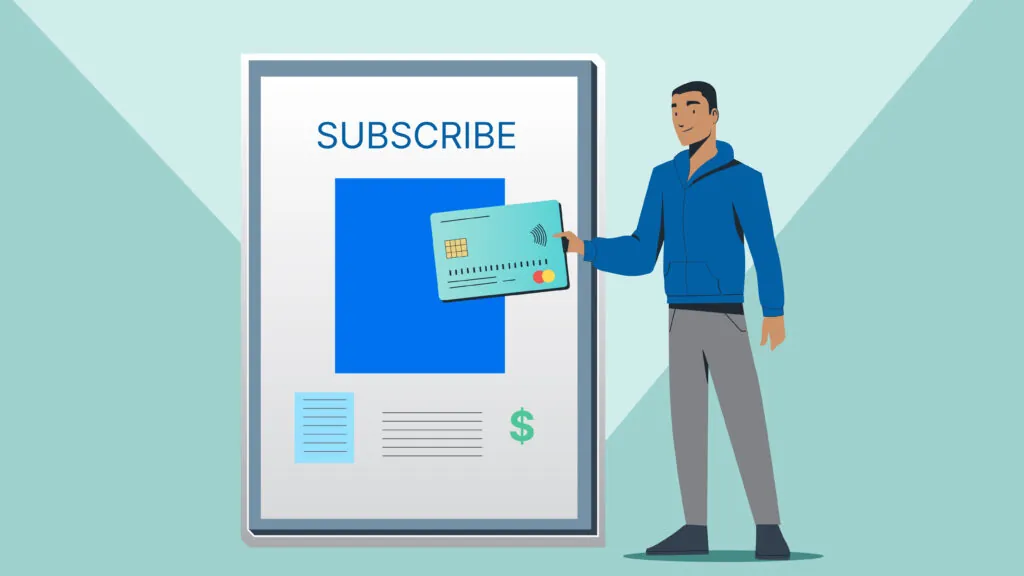
Once you’ve compiled a list of all your subscriptions, evaluate each one individually. Ask yourself the following questions to determine if a subscription is worth keeping:
- Do I use this service regularly? If you haven’t used a subscription in a while, it might be time to cancel. Many people hold onto subscriptions because it’s convenient, but not necessarily because they’re getting value from them.
- Can I live without it? If it’s something you’ve become accustomed to, like a streaming service or premium app, consider whether you’d miss it if it were gone.
- Is there a cheaper alternative? If you’re paying for a premium version of a service, check if a free version or cheaper tier might meet your needs.
3. Cancel Unused or Unnecessary Subscriptions
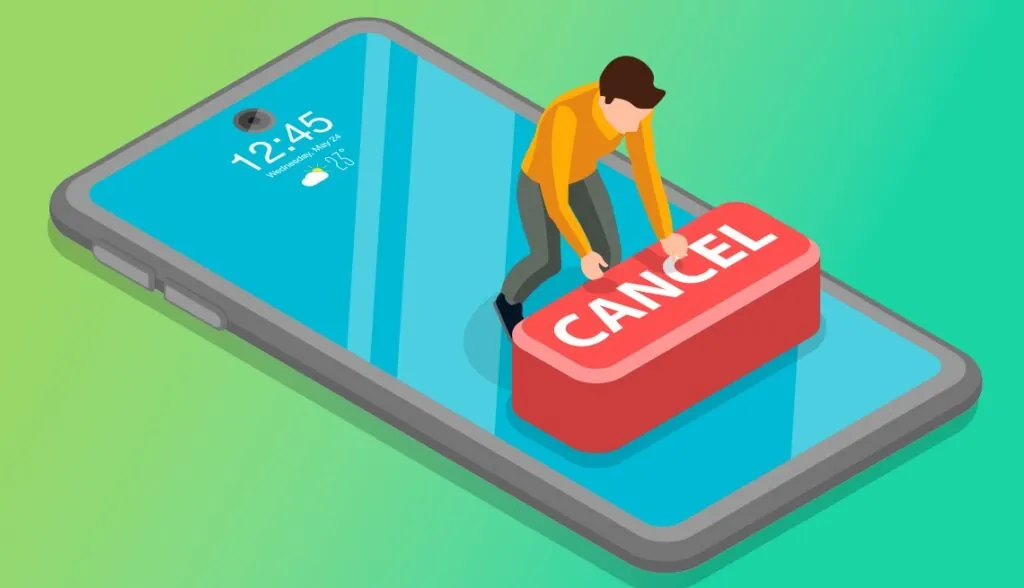
If you’ve identified subscriptions that you rarely use or that no longer provide value, don’t hesitate to cancel them. Many services make it easy to cancel subscriptions directly through their websites or mobile apps, but some may try to make it difficult by hiding the cancellation process.
- Don’t Wait for the Free Trial to End: Many subscriptions begin with a free trial period, after which you’ll be automatically billed. If you’re not sure whether you’ll use the service long-term, cancel before the trial expires to avoid being charged.
- Check for Hidden Subscriptions: Review your bank or credit card statements for recurring charges that you don’t recognize, especially those that were added without your direct consent. These are often “hidden” charges that can easily slip through the cracks.
4. Take Advantage of Annual Payment Discounts

Many subscription services offer a discount for paying annually instead of monthly. While paying upfront may seem like a significant expense, it can actually save you money in the long run. For example:
- A music streaming service might offer a monthly plan for $10 or an annual plan for $100, saving you $20 a year.
- A gym membership may charge monthly fees but offer an annual rate that’s significantly cheaper.
If you’re certain that you’ll continue using the service throughout the year, switching to an annual payment plan could reduce your costs. However, be cautious about committing to services you’re unsure about.
5. Review and Adjust Premium Features

For some subscriptions, especially digital tools and apps, there are premium features that might be unnecessary. Instead of keeping a fully paid plan, consider downgrading to a more basic version or using an ad-supported option. Some common areas where you might cut back include:
- Streaming Services: If you’re subscribed to multiple streaming platforms, assess whether you really need all of them. Consider downgrading from premium versions (which are ad-free) to ad-supported tiers, if available.
- Software and Apps: Some apps offer multiple pricing tiers, including ones that charge more for features you might not use. For example, a photo-editing app may charge a premium for advanced filters that you rarely use.
6. Set Up Notifications for Subscription Renewals
One of the easiest ways to avoid surprises is to set notifications for subscription renewals. Many services send out reminders a few days or weeks before your renewal date, which can prompt you to reevaluate whether you still need the service.
Additionally, setting a calendar reminder or using apps like Google Calendar can help you keep track of when subscriptions are due to renew, giving you the opportunity to cancel or adjust them before the charge is processed.
7. Use Free Trials Judiciously
Free trials are a great way to test out a service, but they can easily become a trap if you forget to cancel before the trial period ends. To avoid paying for something you no longer want, set a reminder to cancel a free trial well before the renewal date.
- Keep track of trial start dates and set a calendar reminder to review whether you want to keep the subscription.
- Some services may allow you to downgrade to a free tier after the trial period ends, so investigate that option if you want to continue using the service without the cost.
8. Share Subscriptions with Family or Friends
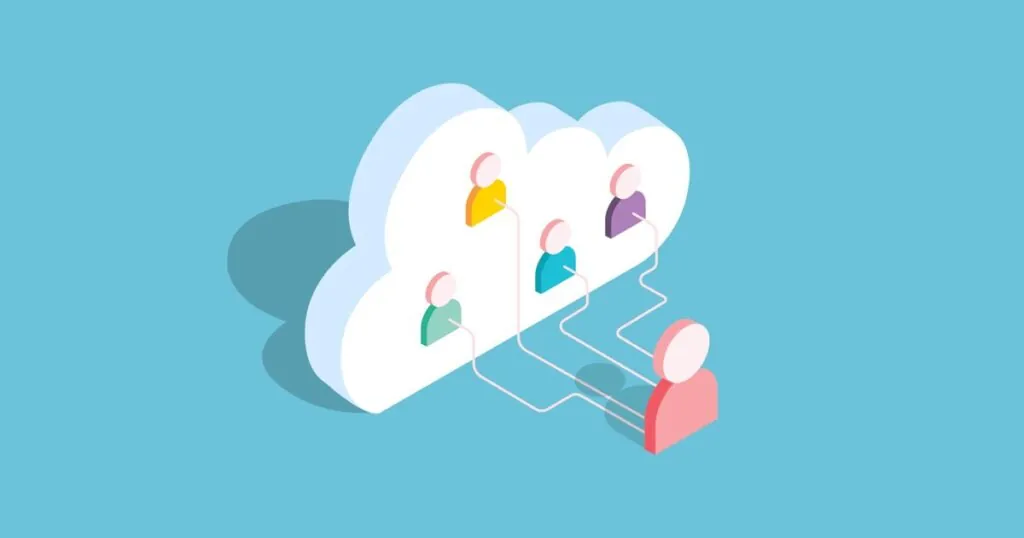
Some subscription services allow you to share your account with family members or friends at no extra cost.
If you’re paying for a service like a streaming platform, consider sharing the subscription with others to divide the cost.
Just be sure to review the terms and conditions to ensure that sharing is allowed under the plan.
- Family Plans: Services like Netflix, Spotify, and Amazon Prime offer family plans that allow multiple users to access the service for a lower per-person cost than individual subscriptions.
9. Track Your Subscriptions Regularly
Subscription creep doesn’t happen overnight—it occurs gradually. To prevent it from taking over your budget, set a monthly or quarterly reminder to review your active subscriptions. This review will help you stay on top of any unwanted charges or services you’ve forgotten about.
Subscription services are convenient, but they can quickly become a financial burden if not carefully managed.
By tracking your subscriptions, evaluating their value, canceling unused services, and exploring ways to lower your monthly costs, you can avoid the dangers of subscription creep.
Regularly reviewing and adjusting your subscriptions ensures that you’re only paying for what you truly need, allowing you to keep your budget in check without missing out on the services you enjoy.