
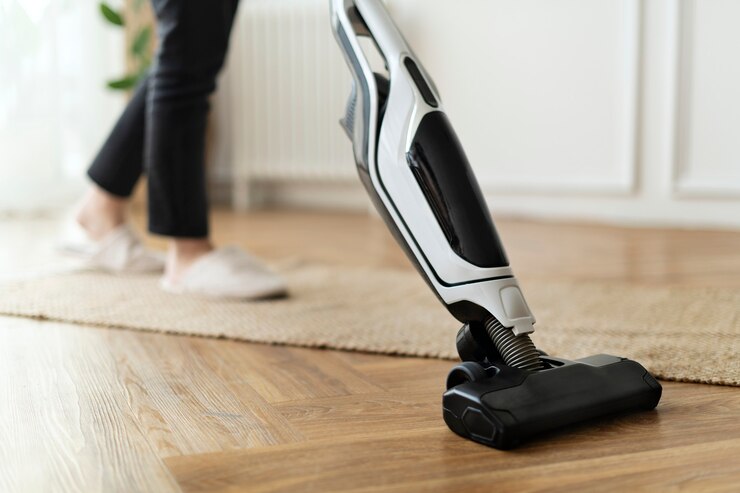
A vacuum cleaner is an essential tool for keeping your home clean and dust-free, but like any appliance, it requires regular maintenance to perform at its best. Proper care can extend its lifespan, improve efficiency, and ensure a healthier living environment. Here’s a comprehensive guide to help you maintain your vacuum cleaner effectively.
1. Empty the Dustbin or Replace the Bag Regularly
Bagless Models
- Empty the dustbin after each use or when it’s about two-thirds full. Overfilled bins can reduce suction and strain the motor.
- Wash the dustbin with warm, soapy water periodically to prevent odor and buildup.
Bagged Models
- Replace the vacuum bag when it’s about 75% full. Overloading can block airflow and reduce efficiency.
- Use high-quality bags to prevent dust leakage and protect the motor.
2. Clean or Replace Filters
HEPA Filters
- Check the manufacturer’s instructions for cleaning or replacement intervals.
- Wash washable filters with warm water and let them air dry completely before reinstalling.
- Replace non-washable filters as recommended, usually every 6-12 months.
Pre-Motor Filters
- Clean pre-motor filters regularly to ensure consistent airflow and motor protection.
Post-Motor Filters
- These filters capture fine particles before air is expelled. Replace them according to the user manual.
3. Check and Clear the Brush Roll
- Inspect the brush roll for tangled hair, string, or debris after every few uses.
- Use scissors or a seam ripper to cut away and remove tangled materials.
- Ensure the brush roll spins freely; replace it if it shows signs of wear, such as flattened bristles.
4. Inspect and Maintain the Hose
- Check the hose for clogs by detaching it and looking through it against a light source.
- Remove blockages with a long, flexible tool or by gently tapping the hose to dislodge debris.
- Avoid kinking or twisting the hose to prevent damage.
5. Keep the Attachments Clean
- Wash detachable tools like crevice tools and dusting brushes with warm, soapy water.
- Let them dry completely before reattaching to prevent mold growth.
6. Inspect the Power Cord
- Regularly check the power cord for cuts or frays, which can pose safety risks.
- Avoid pulling the cord from the outlet by the cable; instead, grasp the plug.
- If the cord retracts into the vacuum, ensure the retraction mechanism works smoothly.
7. Maintain the Wheels
- Clean the wheels to remove dirt and debris that can hinder movement.
- Lubricate squeaky wheels with a small amount of silicone-based lubricant.
8. Store Your Vacuum Properly
- Store the vacuum in a cool, dry place away from direct sunlight and moisture.
- Wrap the cord neatly to avoid tangles and potential damage.
- Ensure all attachments are securely stored to prevent loss.
9. Schedule Professional Servicing
- If your vacuum cleaner isn’t working efficiently despite regular maintenance, consider professional servicing.
- Technicians can clean internal components, replace worn-out parts, and restore optimal performance.
10. Know When to Replace Your Vacuum Cleaner

- If the motor frequently overheats, suction is consistently poor, or repairs become costly, it may be time for a replacement.
- Investing in a new vacuum cleaner can save money in the long run and provide better cleaning results.
Final Thoughts
Regular maintenance of your vacuum cleaner ensures it performs efficiently, lasts longer, and keeps your home clean and healthy. By following these tips, you can avoid costly repairs, improve cleaning power, and extend the life of your appliance. Make vacuum care a part of your routine, and enjoy the benefits of a well-maintained cleaning companion.