
Big expenses—whether it’s a major home repair, a car purchase, medical bills, or a family vacation—can be overwhelming if not handled properly. These types of expenses can often feel like a financial setback, but with the right strategies, you can manage them without derailing your budget. Here’s how to approach big expenses in a way that aligns with your financial goals:
1. Plan Ahead and Prioritize
Before making any large purchase or committing to a significant expense, it’s crucial to plan. Having a clear understanding of your monthly income, existing expenses, and savings goals will give you a better idea of what you can afford without stretching yourself too thin.
A good first step is to prioritize which big expenses need to be addressed first. For example, an emergency medical bill or home repair might take precedence over non-essential purchases like a vacation. Once you’ve prioritized your expenses, determine the best way to allocate your funds.
2. Break the Expense Into Smaller Payments
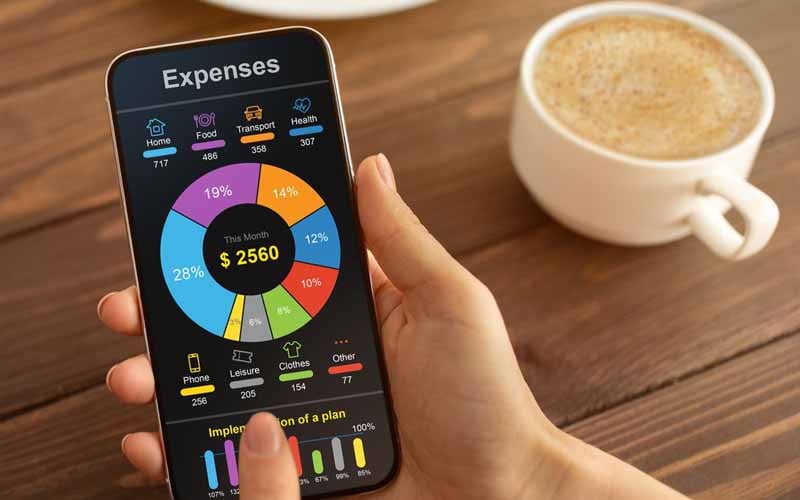
If the expense is particularly large, one effective way to manage it is by breaking it down into smaller, more manageable payments.
For example, if you’re faced with a hefty home repair bill, you could look into payment plans or zero-interest financing offered by contractors.
Some retailers also offer monthly installment options for larger purchases, making it easier to manage your cash flow.
You can also use your credit card with a 0% APR promotional offer for a set period, as long as you ensure you pay it off before the interest kicks in.
Just be mindful of fees and interest after the initial period to avoid unnecessary debt accumulation.
3. Use Your Emergency Fund
If you’ve been diligently saving for an emergency fund, this is the time to put it to use. An emergency fund acts as a financial cushion, so you don’t have to take on high-interest debt when an unexpected big expense arises.
Ideally, an emergency fund should cover three to six months’ worth of living expenses. If it’s already in place, using part of it for a big expense may save you from future financial stress.
However, before you dip into your emergency savings, carefully evaluate whether this expense truly falls under the category of an emergency. If it’s a planned, non-urgent cost, using your savings may not be the most responsible approach.
4. Adjust Your Budget Temporarily

When faced with a significant expense, adjusting your monthly budget is essential. Temporary cuts to discretionary spending can free up the necessary cash flow to cover the cost without overspending. This might involve:
- Cutting back on entertainment or dining out: Redirect the money toward covering your big expense.
- Reducing non-essential purchases: Whether it’s canceling subscriptions, limiting online shopping, or postponing vacations, trimming down the less critical areas of your budget can free up funds.
- Eliminating unnecessary bills: If you have recurring bills that aren’t essential, consider pausing them temporarily to focus on the larger expense.
By reviewing your budget and finding areas to cut, you can stay on track financially while handling larger costs.
5. Shop Around for Better Deals
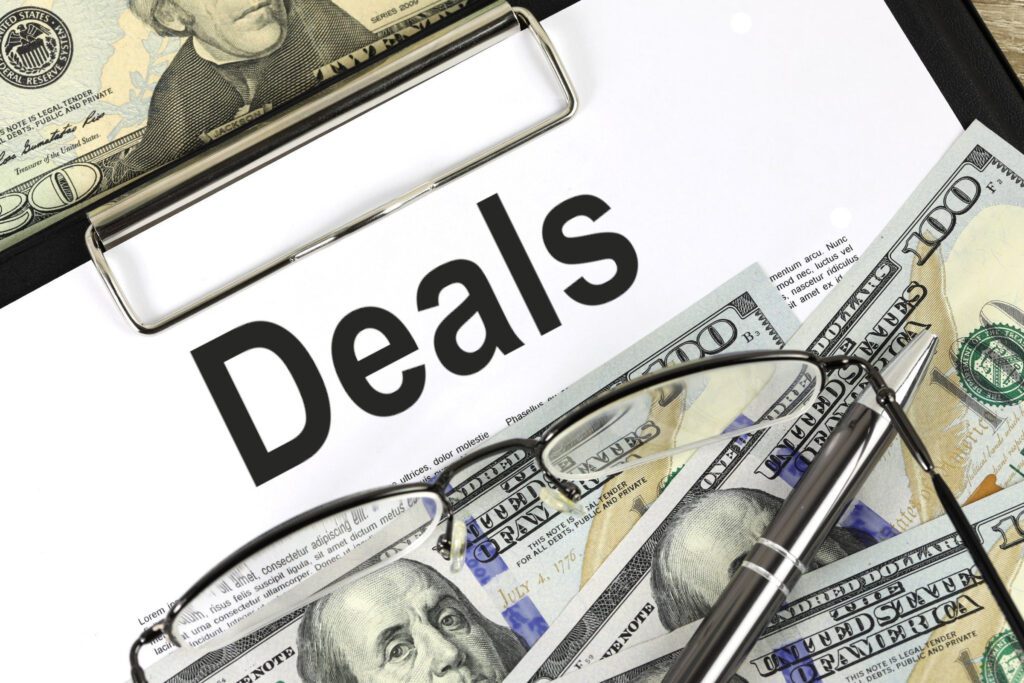
Whether you’re purchasing a car, home appliances, or paying for medical services, shopping around for better deals is an effective strategy to lower the overall cost of big expenses. This applies to almost any type of purchase or service. For instance:
- When buying big-ticket items like electronics, furniture, or appliances, compare prices from different retailers or marketplaces.
- If you’re dealing with medical expenses, check if you’re eligible for payment assistance programs or explore alternatives like negotiating bills or finding lower-cost care options.
With a little effort, you might find a significantly better deal that reduces the overall financial impact of the expense.
6. Use Cash-Back or Rewards Programs
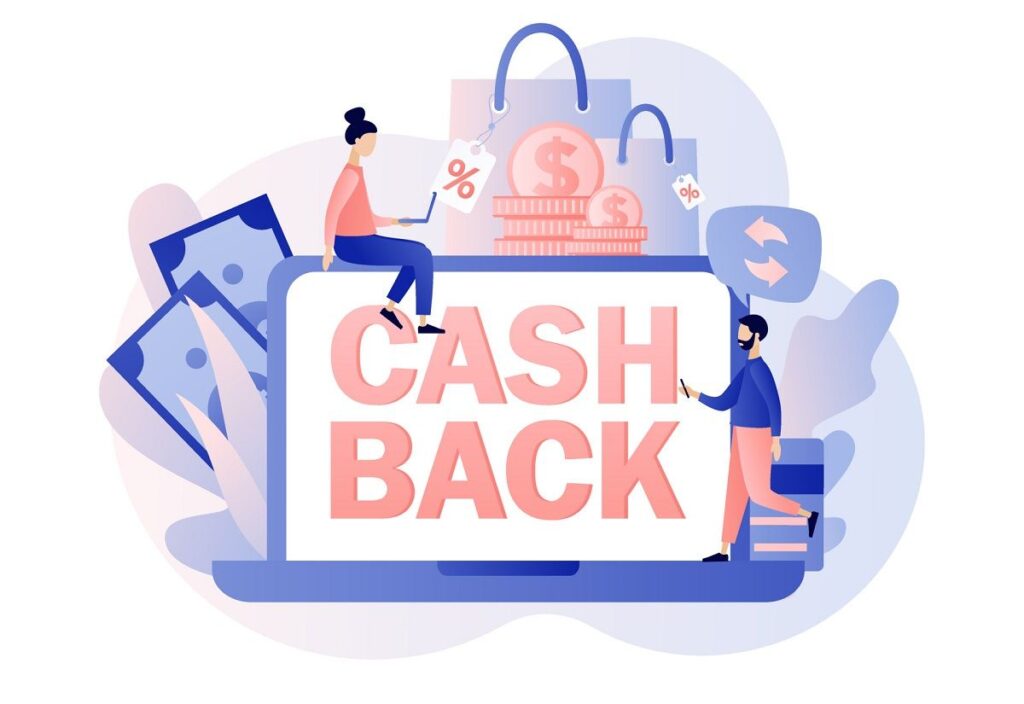
If you’re making a large purchase, take advantage of any cashback programs or rewards credit cards. Many credit cards offer cash back, points, or miles for certain purchases, which can add up over time and help reduce the net cost of your big expense.
For example, using a cashback credit card for home renovations or travel can allow you to earn back a percentage of the cost, which can go toward offsetting the final bill. Just be careful to pay off your balance in full each month to avoid interest charges.
7. Plan for Future Big Expenses
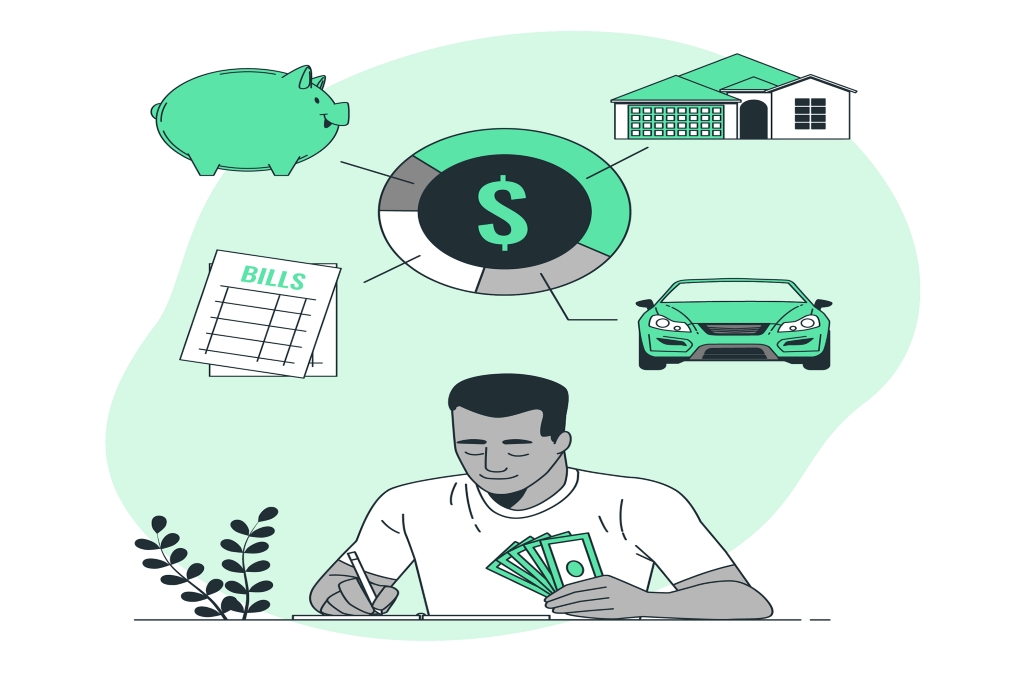
If you anticipate more large expenses down the line—such as tuition fees, a home purchase, or a major life event like a wedding—start planning for them well in advance.
By setting aside small amounts regularly, you can build up savings over time and avoid the stress of sudden, large expenditures.
Create a sinking fund—a savings account earmarked specifically for big purchases—and contribute to it regularly. This way, when it’s time to spend, you won’t have to rely on loans or high-interest credit cards.
8. Consider Additional Income Streams

In cases where you don’t have enough savings to cover the big expense, finding additional ways to generate income can help bridge the gap. Consider:
- Freelancing or part-time work: If you have a skill like writing, graphic design, or tutoring, you could take on extra work to earn money to cover the expense.
- Selling unused items: If you have items lying around the house that you no longer need, selling them on platforms like eBay or Facebook Marketplace can provide extra cash.
- Monetizing hobbies: If you have a hobby like photography, crafting, or blogging, look into turning it into a side hustle to earn money on the side.
9. Explore Financing Options with Low or No Interest
If you need to finance a large expense, consider looking for financing options with low or zero interest. Some stores, contractors, or service providers offer 0% APR financing for a limited time, which can make paying off big purchases much more manageable.
However, be sure to read the fine print to avoid hidden fees and interest charges after the promotional period ends.
For major purchases, a personal loan with a fixed interest rate could also be a good option, as it typically offers lower rates than credit cards. Just ensure that you’re able to comfortably make the payments without overextending your finances.
Conclusion
Big expenses are an inevitable part of life, but they don’t have to break your budget or cause financial stress. With careful planning, budgeting, and smart strategies like shopping around for better deals or leveraging financing options, you can navigate large purchases without sacrificing your financial health.
By prioritizing needs, considering temporary adjustments to your budget, and building savings for future expenses, you’ll ensure that you’re always prepared for whatever life throws your way.