
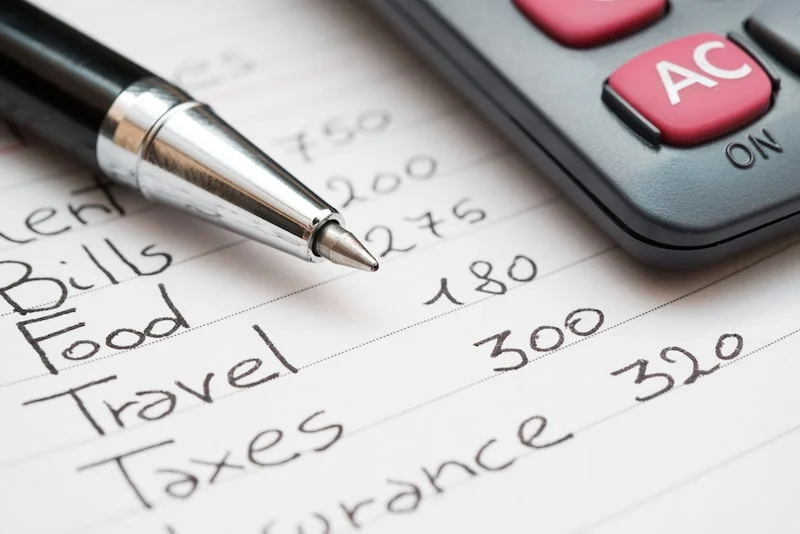
Managing personal finances effectively is about more than just saving money or spending wisely—it also requires consistent evaluation of how money flows in and out of your life.
Regularly reassessing your monthly expenses is a key practice for anyone aiming to improve their financial health, avoid unnecessary debt, and optimize their spending habits.
Even small, seemingly insignificant expenses can add up over time, making it crucial to evaluate and adjust your budget frequently.
In this article, we’ll explore why reassessing monthly expenses is not only necessary but essential for maintaining financial control.
1. Adapt to Changing Financial Circumstances

Your financial situation is not static, and neither are your monthly expenses. Whether it’s a change in income, new financial goals, or shifting priorities, regular reassessment ensures that your budget stays aligned with your current needs.
People often face pay raises, job changes, or other shifts in their earnings, and adjusting monthly expenses can help manage these changes effectively. For example, a salary increase may seem like a reason to start spending more freely.
However, by reassessing your budget, you can make conscious decisions about saving or investing the extra income rather than increasing your spending.
Conversely, if there’s been a change like a job loss or a drop in income, reassessing your expenses helps you prioritize essentials and cut back on non-essentials without significantly impacting your lifestyle.
2. Identify and Eliminate Wasteful Spending
One of the most significant benefits of reviewing your monthly expenses is the ability to identify wasteful spending. Over time, subscriptions, unused services, or small habitual expenses like coffee or impulse purchases can add up to a considerable amount without you even noticing.
In fact, a study by NerdWallet found that people regularly waste money on subscriptions they no longer use or need. By reassessing monthly expenses, you can quickly spot areas where you might be spending on things that no longer serve your financial goals or daily needs.
Maybe you’re still paying for a streaming service you no longer use, or perhaps you’re subscribed to an online membership you forgot about. Eliminating such expenses helps free up money that can be better used elsewhere, such as building an emergency fund, paying off debt, or saving for the future.
3. Account for Lifestyle Changes
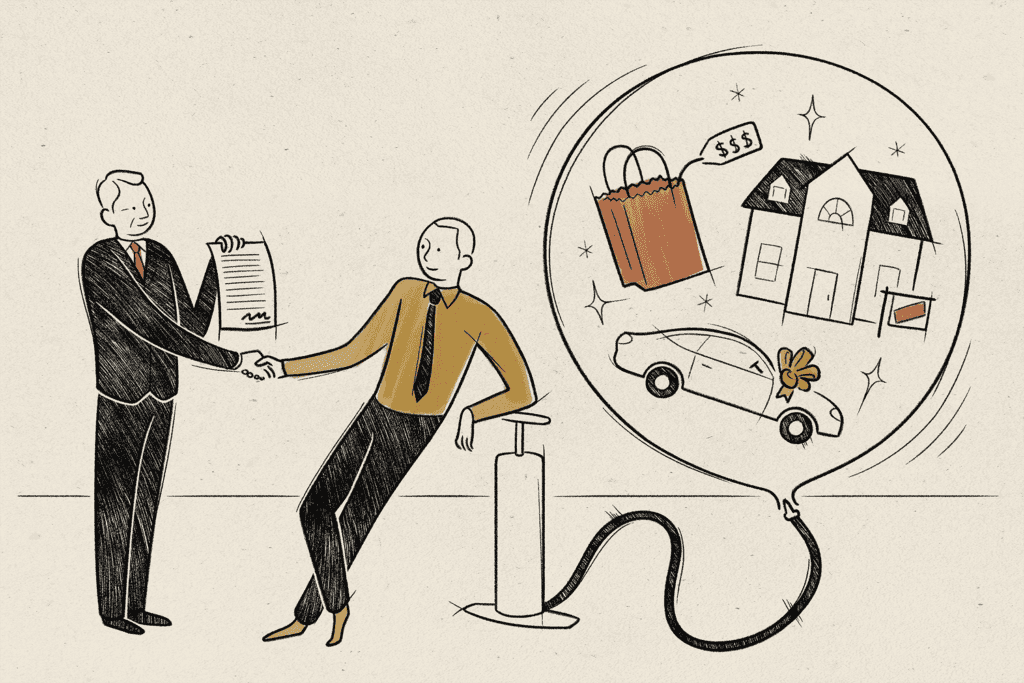
As life evolves, so do your priorities and expenses. Whether you’re getting married, having a baby, moving into a new home, or transitioning to a new career, these life events usually lead to changes in your spending patterns.
For instance, a family with young children may face additional costs related to childcare, healthcare, or education. Similarly, moving into a larger home might mean higher utility bills or mortgage payments.
Reassessing monthly expenses ensures that you factor in these changes and adjust your budget accordingly. For example, if you’ve recently moved, you might find that your energy consumption has increased or that transportation costs have changed.
By reviewing your budget regularly, you can make proactive adjustments and avoid financial surprises.
4. Improve Savings and Debt Management
Regularly reviewing your expenses provides an opportunity to reallocate funds toward savings and debt repayment. If your expenses have increased or changed, reassessing your budget allows you to identify areas where you can cut back in order to prioritize saving or paying off high-interest debt.
For example, if you’ve trimmed unnecessary subscriptions or reduced dining out, that extra money can go toward paying off credit card debt or contributing to your retirement savings.
Financial experts recommend automating savings transfers and prioritizing debt repayment, but this can only be done effectively if you’re regularly reviewing and adjusting your budget.
Keeping a close eye on where your money is going ensures that you’re moving toward your financial goals without being sidetracked by non-essential purchases.
5. Stay Prepared for Emergencies
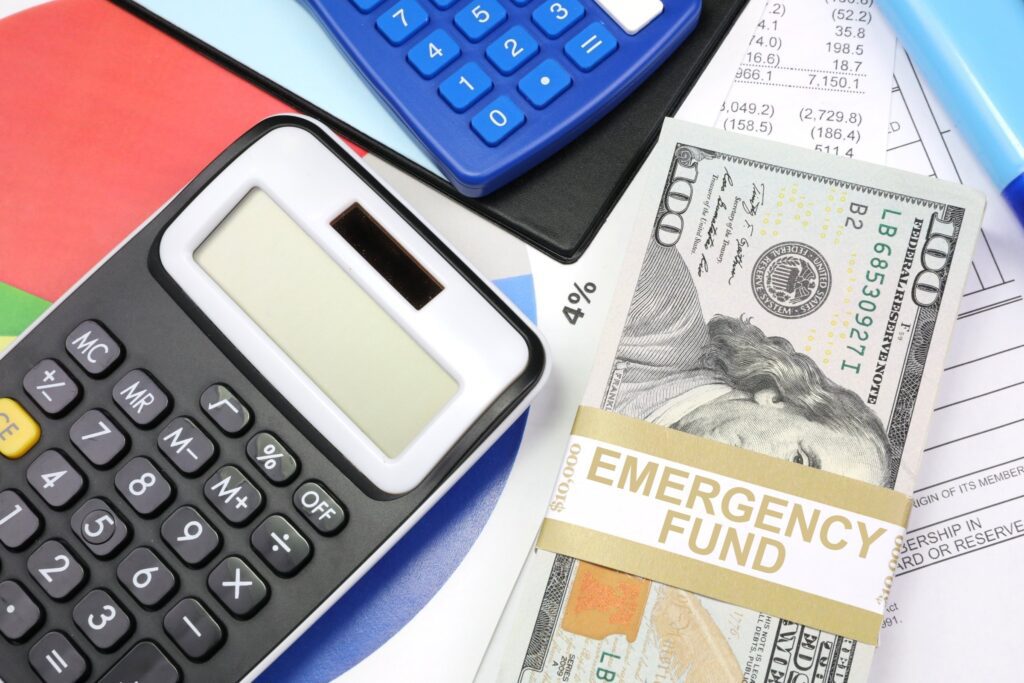
Life is unpredictable, and financial emergencies can arise at any time—be it a car breakdown, unexpected medical bills, or home repairs. Regularly reassessing your monthly expenses gives you the opportunity to ensure that you’re saving for these emergencies.
While some people may only think about budgeting for a “rainy day” when a problem arises, those who proactively plan are far better prepared when it comes to unexpected events.
Reviewing your monthly expenses also helps you stay on top of building and maintaining an emergency fund. Ideally, this fund should cover three to six months’ worth of living expenses.
By making monthly adjustments and setting aside a portion of your income regularly, you reduce the risk of financial stress when faced with emergencies.
6. Prevent Lifestyle Inflation
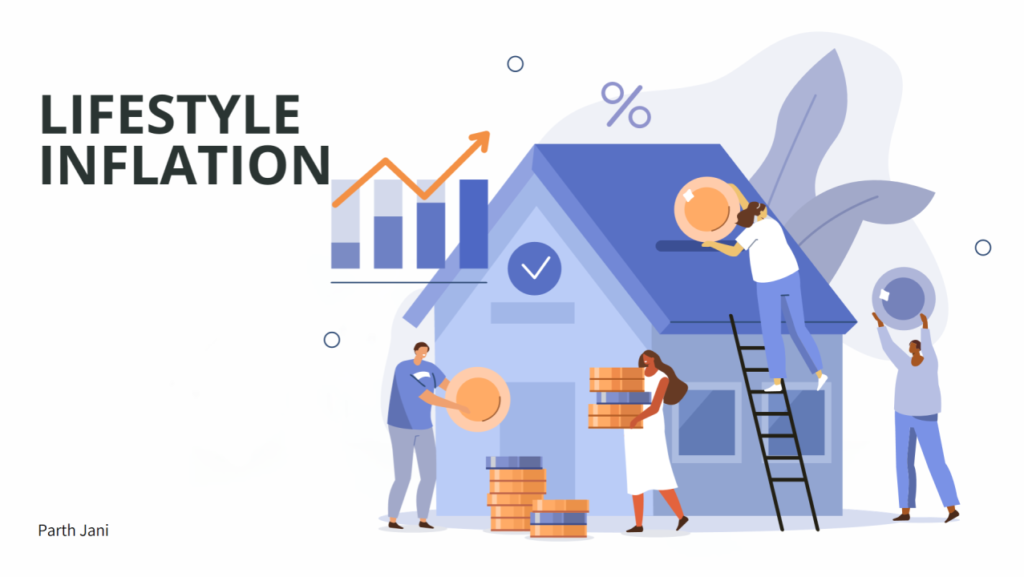
As your income increases, it’s easy to succumb to “lifestyle inflation”—a tendency to spend more as you earn more. It’s human nature to want to enjoy the rewards of hard work, but without regularly reassessing your expenses, lifestyle inflation can quickly erode your ability to save or invest.
For instance, if you receive a pay raise, you might be tempted to upgrade your car, move into a larger apartment, or dine out more frequently. While there’s nothing wrong with occasional indulgences, without careful evaluation, these increases in spending can outpace your income growth.
Reassessing your expenses regularly helps you spot lifestyle inflation early and ensure that increases in spending are in line with your long-term financial goals.
7. Take Advantage of Changing Costs
Inflation, market trends, and changes in interest rates can impact your monthly expenses. For instance, if you notice that the cost of a product or service is consistently rising, reassessing allows you to make adjustments before your budget is affected too much.
For example, if food prices have increased, consider switching to cheaper alternatives or buying in bulk. If gas prices are rising, you might adjust your transportation habits by carpooling or using public transportation more frequently.
By reassessing your monthly expenses, you stay attuned to these changes and can make informed decisions that protect your financial well-being. Awareness of price fluctuations helps you adapt quickly and avoid being caught off-guard by unexpected cost increases.
8. Optimize Your Financial Health
A monthly review of your expenses isn’t just about cutting costs; it’s also about optimizing your spending. Perhaps you can shift your expenses to more cost-effective solutions without compromising on quality.
For example, switching to a no-fee banking account, consolidating high-interest debts, or renegotiating service contracts can all improve your financial standing without sacrificing your lifestyle.
By reassessing regularly, you’ll discover areas of improvement and gain more control over your finances, which in turn leads to greater peace of mind and long-term financial security.
Conclusion
Reassessing your monthly expenses is an essential practice for maintaining financial health, managing unexpected changes, and achieving long-term financial goals. Whether you’re saving for retirement, paying down debt, or simply working to optimize your monthly budget, regular evaluations allow you to spot opportunities to save, eliminate wasteful spending, and adapt to life’s changes.
As financial priorities shift, reassessing your budget empowers you to take charge of your finances and ensures that you’re always moving toward greater financial stability and security.