

Trust Your Instincts and Research In a digital world where opinions are just a click away, the power of reviews can shape our purchasing decisions in an instant. Imagine walking into a virtual marketplace bustling with voices—some genuine and insightful, while others cunningly crafted to mislead.
With countless products vying for attention, how can consumers sift through the noise to find authentic feedback? As online shopping becomes increasingly prevalent, understanding the art of spotting fake reviews has never been more crucial.
Fake reviews not only distort our perception of quality but also erode trust in platforms designed for honest exchanges. From overly enthusiastic praises to suspiciously vague criticisms, these deceptive testimonials lurk around every corner of the internet.
In this article, we’ll dive into the telltale signs that reveal fraudulent feedback and arm you with essential tools to make informed choices amidst the chaos. Prepare to become a savvy consumer who can navigate past phonies and uncover true insights that guide your next purchase decision!
Understanding the Impact of Fake Reviews
In the digital age, where consumers are bombarded with information at every click, the influence of online reviews is more pronounced than ever. Fake reviews can distort reality, skewing perceptions of products and services and ultimately shaping purchasing decisions based on false premises.
This deception not only costs individuals money but also erodes trust in genuine consumer feedback, leaving a cloud of skepticism over authentic review systems. Moreover, understanding the nuances of fake reviews goes beyond spotting blatant forgeries; it requires delving into motivations behind them.
Companies sometimes resort to unethical practices in their quest for stellar ratings—be it through incentivizing positive feedback or posting negative comments about competitors.
This manipulative landscape demands that consumers become savvy sleuths who can dissect review patterns and recognize red flags.
By fostering an awareness around this issue, shoppers not only empower themselves to make informed choices but also contribute to cultivating a trustworthy online marketplace that values authenticity over artifice.
Recognizing Red Flags in Review Language
When navigating the sea of online reviews, discerning genuine feedback from fabrications often hinges on recognizing specific red flags in the language used. One major indicator is the use of overly vague or flowery descriptors.
Phrases like best experience ever or totally amazing without substantive detail can signal a lack of authenticity; real reviewers tend to provide nuanced insights that reflect both positives and potential negatives, painting a fuller picture for readers.
Moreover, an overabundance of superlatives—like “unbelievable,” “perfect,” or “beyond compare”—can suggest review manipulation. Genuine users typically express their opinions with balanced language that includes context and personal anecdotes, while inflated praise raises concerns about ulterior motives.
Additionally, watch for patterns such as repeated phrases or sentiments across multiple reviews; such redundancy can indicate a scripted approach rather than organic sentiment.
By honing in on these linguistic cues, consumers can better sift through noise to find honest evaluations that truly guide their purchasing decisions.
Analyzing Reviewer Profiles for Authenticity

When delving into reviewer profiles, it’s crucial to look beyond the rating itself and consider the nuances of their activity. A genuine reviewer tends to have a robust history across diverse products and services, painting a broader picture of their experiences.
Pay attention to the tone and detail of their reviews—authentic reviewers often share personal anecdotes or specific features they appreciated or disliked. In contrast, fake accounts may churn out generic comments that could apply to any product, lacking depth or authentic sentiment.
Another red flag is review frequency and timing. If a profile posts several glowing reviews in rapid succession for similar products from the same brand, caution is warranted—it might indicate coordinated efforts to create a facade of popularity.
Additionally, scrutinize the profile’s engagement; genuine reviewers typically interact with responses or follow-ups on their reviews but phony profiles are less likely to establish this connection.
By piecing together these elements, you can uncover hidden patterns that reveal whether you’re encountering an honest opinion or simply another orchestrated ruse in your digital landscape.
Checking Review Consistency Across Platforms
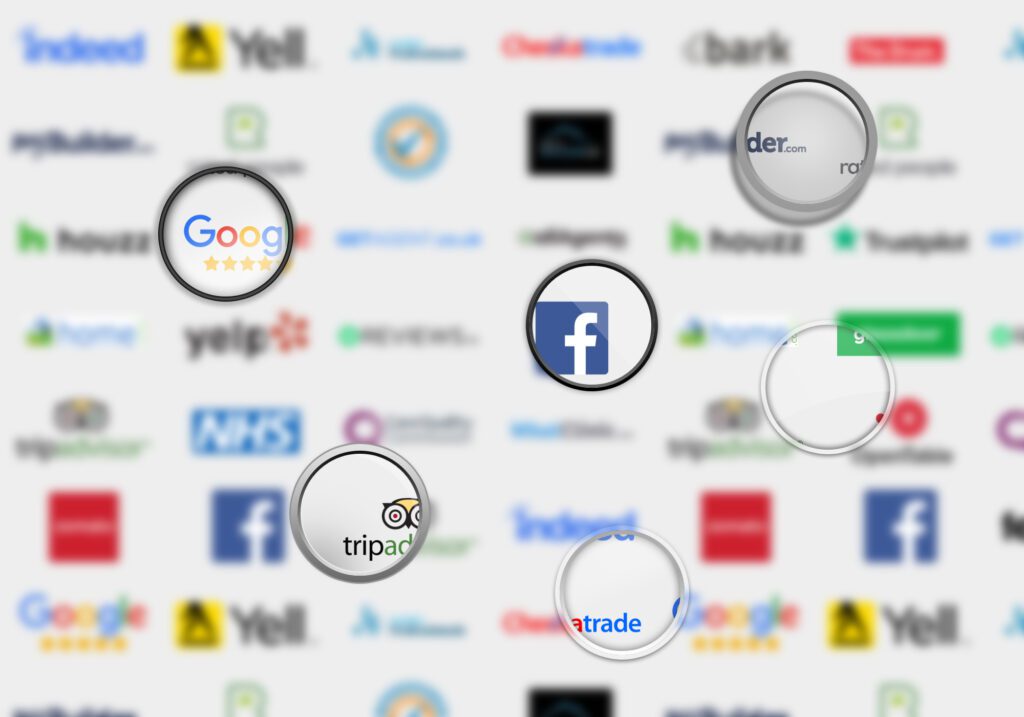
When evaluating the credibility of online reviews, consistency across platforms can serve as a vital red flag. Genuine reviewers tend to express similar sentiments about a product or service on various sites, such as Yelp, Google, and Amazon.
If you notice stark disparities in ratings or narratives between platforms—say an overwhelmingly positive review on one site contrasting with a mediocre assessment elsewhere—it invites skepticism. This inconsistency may indicate manipulation or paid reviews designed to mislead potential customers.
Moreover, scrutinizing the frequency and timing of reviews can uncover additional layers of authenticity. A sudden spike in glowing feedback coinciding with promotional events or sales could suggest incentivized incentivized writing rather than organic customer experience sharing.
Additionally, pay attention to profiles that consistently churn out high praise across varying businesses; this pattern might hint at either astroturfing—or fake grassroots campaigns—or simply users who are being compensated for their endorsements.
In today’s digital landscape, forming a well-rounded view by cross-referencing reviews not only enhances your decision-making but also empowers you against disinformation tactics masquerading as consumer feedback.
Evaluating the Volume and Timing of Reviews

When evaluating the volume and timing of reviews, it’s crucial to recognize patterns that may signal deceit. A sudden spike in positive reviews for a relatively unknown product can raise red flags; it may indicate a coordinated effort to manipulate perception.
Conversely, if a product consistently receives an unusual number of negative reviews over time, especially from new accounts with generic profiles, these too might be fabricated to undermine competition.
Validating authenticity often involves scrutinizing not just the content but the context surrounding these insights. Moreover, consider the timing of reviews in relation to major sales events or product launches. Genuine feedback tends to trickle in gradually as users engage with a product at their own pace.
If there’s an influx of glowing responses immediately following a marketing blitz or discount offer, this could point towards incentivized feedback schemes rather than authentic consumer experiences.
To sift through noise effectively, look for timelines that tell a story—where review posting aligns believably with real consumer behavior rather than engineered promotional tactics.
Identifying Patterns in Positive or Negative Feedback
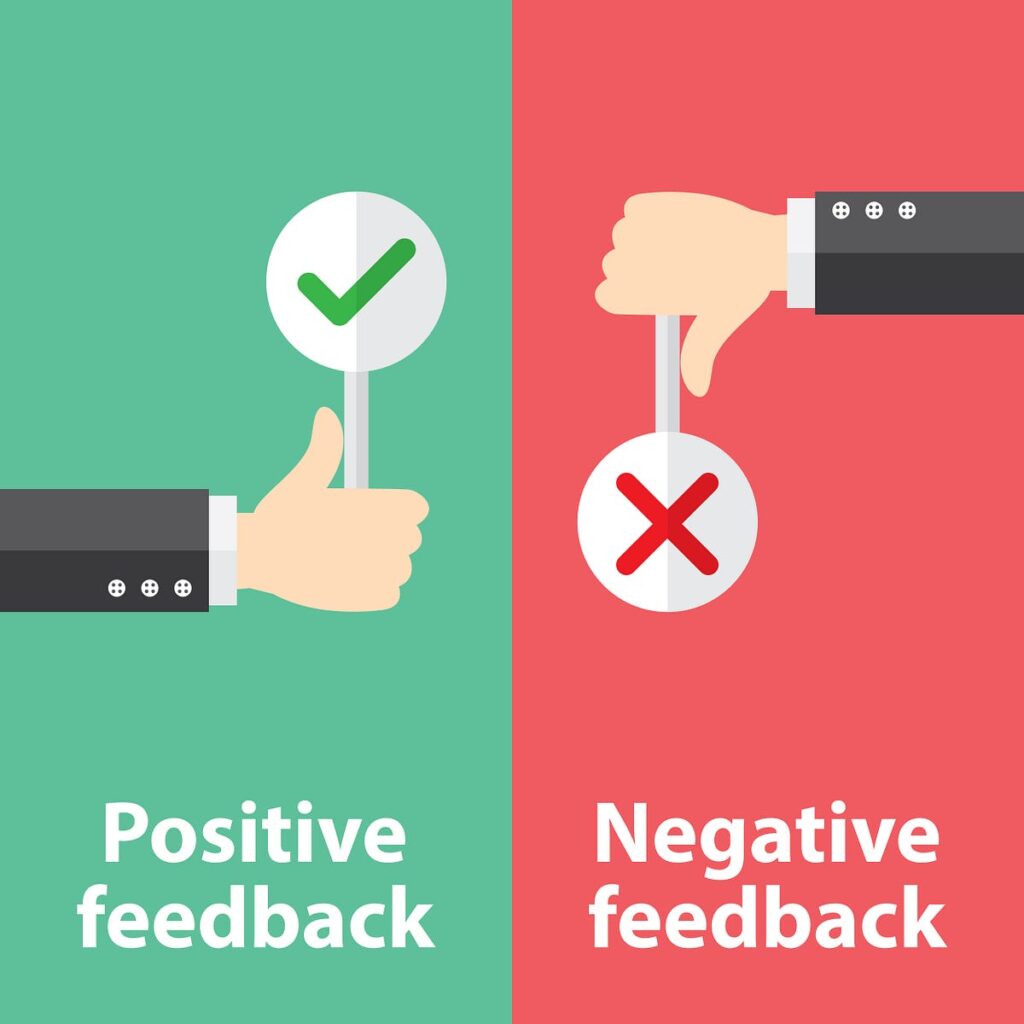
When sifting through the ocean of online reviews, identifying patterns in positive or negative feedback can be your compass in discerning authenticity.
Genuine reviews often exhibit nuanced language and specific details about the reviewer’s experience, whether it’s praising a product’s unique feature or pointing out a significant flaw.
Look for recurring themes—if multiple reviewers mention an exceptional customer service experience or a consistent problem with durability, it’s likely that these insights are rooted in reality rather than orchestrated marketing efforts.
Moreover, consider the emotional undertones expressed in the reviews. Authentic feedback tends to evoke genuine feelings; enthusiasts share their excitement with exuberance while disgruntled customers channel their frustration into descriptive narratives.
In contrast, suspiciously generic comments—like Best product ever!—often lack personal insight and can indicate possible manipulation.
By honing in on these emotional cues and thematic consistencies, you can navigate through the clutter of data to uncover authentic opinions that truly reflect consumer sentiment.
Utilizing Tools to Detect Fake Reviews

As the digital marketplace burgeons, the prevalence of fake reviews has raised significant concerns among consumers and businesses alike. One innovative approach to combat this issue involves leveraging specialized tools designed to analyze online review patterns.
These tools often employ advanced algorithms that assess factors such as linguistic consistency, sentiment analysis, and even reviewer credibility scores derived from their historical activity. By discerning these subtle indicators, users can more readily identify discrepancies that signal a fraudulent review.
Moreover, utilizing machine learning models enhances the accuracy of these tools by adapting to evolving tactics employed by bad actors. Regularly updated databases help identify known sources of fake reviews or suspicious accounts that frequently generate inauthentic feedback.
This proactive engagement not only protects consumers from misleading information but also encourages genuine review behaviors among your clientele—ultimately fostering a more trustworthy online environment.
As technology advances, harnessing these tools empowers shoppers and businesses alike to navigate the complex landscape of online reviews with greater confidence and awareness.
Seeking Out Verified Purchase Indicators
When navigating the murky waters of online reviews, one effective tactic is seeking out verified purchase indicators. This simple marker signifies that the reviewer has actually bought and used the product, lending credibility to their words.
Sounds straightforward, right? However, what many shoppers overlook is the context surrounding these reviews—it’s not just about who purchased but also when and why.
For instance, a positive review may come shortly after a release date during a promotional campaign, where initial users might have heightened enthusiasm due to incentives they received.
Moreover, examining patterns among verified purchases can unveil deeper insights. If numerous validated reviews highlight similar pros and cons, it’s worth paying attention; consistency often indicates reliability.
Additionally, watch for nuanced feedback in your research—genuine buyers tend to offer detailed experiences rather than vague praise or criticism.
Embracing this multi-faceted approach not only enhances your purchasing confidence but also sharpens your ability to discern authenticity amid an ocean of opinions and fabricated narratives online.
Conclusion:
In conclusion, recognizing fake reviews requires a keen eye and critical thinking. By analyzing the language used, checking for patterns in reviewer profiles, and considering the overall context of the feedback, you can better separate genuine opinions from misleading information.
It’s also wise to consult multiple sources and seek out verified purchases when possible. Remember that companies with consistently positive reviews across various platforms may still raise red flags if they seem too good to be true.
Stay vigilant and informed to ensure your decisions are based on trustworthy information—your choices deserve it!