

Lifestyle inflation refers to the tendency to increase one’s spending as income rises. While it’s natural to want to enjoy the fruits of your hard work, excessive lifestyle inflation can prevent you from building wealth and achieving long-term financial goals. Here’s how to identify and avoid it.
1. Recognize the Signs of Lifestyle Inflation
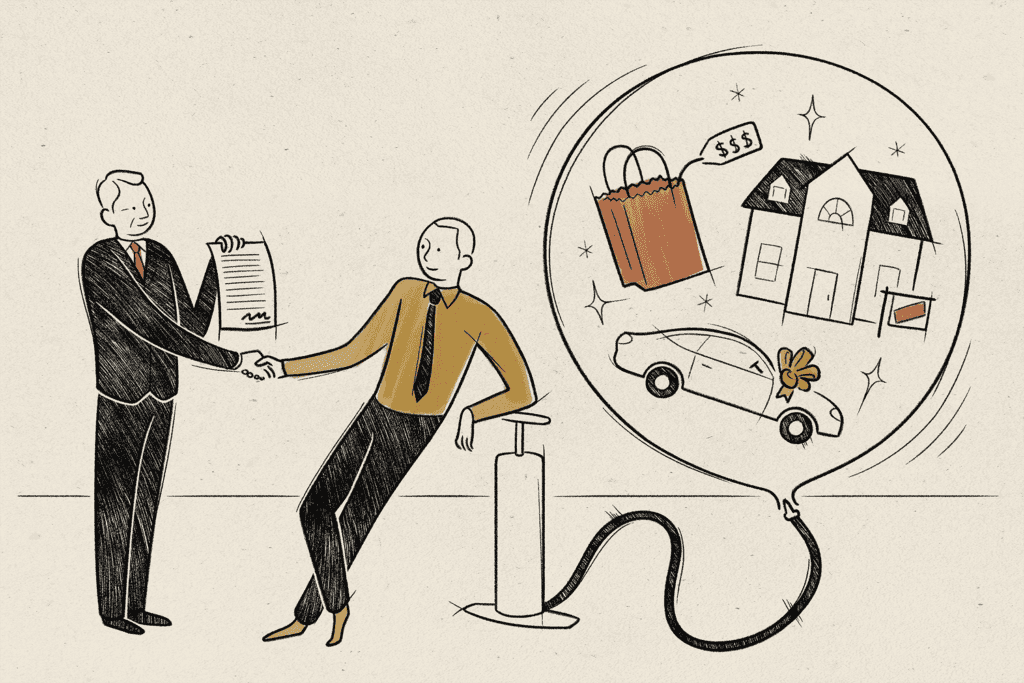
The first step in avoiding lifestyle inflation is identifying when it’s happening. Common signs include:
- Increased Spending on Non-Essentials: As your income grows, you might start buying more luxury items, dining out more frequently, or upgrading your home or car, even if it’s not necessary.
- Replacing Old Items with Expensive Versions: For instance, upgrading to a newer, more expensive smartphone or designer clothing when your current items are still functional.
- Expanding Your Social Circle: Sometimes, higher income leads to more expensive hobbies or social circles, such as attending more exclusive events or traveling in a more luxurious way.
If any of these behaviors sound familiar, you might be experiencing lifestyle inflation.
2. Set Clear Financial Goals

Having specific, measurable financial goals is one of the most effective ways to avoid lifestyle inflation. Define what you want to achieve, whether it’s saving for retirement, paying off debt, or buying a home.
Example: You might set a goal to save 20% of your income for retirement. As your income increases, you can allocate more to this goal instead of increasing your lifestyle expenses.
Setting clear financial goals helps you stay focused on long-term priorities rather than short-term indulgences.
3. Automate Your Savings

One way to combat lifestyle inflation is to automatically direct a portion of any income increase to your savings. By automating contributions to retirement accounts, emergency funds, or other savings vehicles, you ensure that you’re prioritizing financial security over spending.
Tip: If you receive a raise, consider automating at least 50% of the increase to savings or investments. This way, the extra money never enters your spending account, reducing the temptation to spend it.
4. Avoid Keeping Up with the Joneses

Social comparisons can fuel lifestyle inflation. It’s easy to feel pressured to match the spending habits of peers, family, or colleagues, especially when they seem to be upgrading their lifestyle. However, keeping up with others can lead to unnecessary debt and stress.
Tip: Focus on your personal financial goals and what makes you happy rather than comparing your life to others. Everyone’s financial situation and priorities are different.
5. Practice Mindful Spending

Being mindful about your spending means asking yourself whether purchases are necessary and if they align with your values. Instead of impulsively upgrading your lifestyle when you get a raise, take a moment to reflect on what’s truly important to you.
- Does this new item or upgrade truly improve your life?
- Will it enhance your well-being or just provide temporary satisfaction?
Mindful spending helps you distinguish between wants and needs, allowing you to spend intentionally rather than out of habit or societal pressure.
6. Maintain a Simple, Flexible Lifestyle

Avoiding lifestyle inflation also involves simplifying your life. By living below your means and prioritizing your savings and investments, you can avoid the urge to inflate your lifestyle.
Example: Opt for smaller, more manageable living spaces, avoid frequent luxury vacations, or buy used items instead of new ones.
This can also mean maintaining a level of financial flexibility where you can enjoy the occasional splurge without derailing your long-term financial plan.
7. Regularly Review Your Finances

Periodically assess your financial situation, including your spending habits, savings progress, and goals. This will help you spot any signs of lifestyle inflation before they get out of hand.
By reviewing your budget, tracking your expenses, and adjusting your goals as necessary, you ensure that you’re staying on track. It also gives you a clearer picture of whether you’re prioritizing long-term financial health or short-term gratification.
8. Build a Buffer for Fun Expenses

One way to prevent overspending on non-essentials when your income increases is to allocate a certain portion of your income to “fun” spending—but within limits.
For example, you can create a “fun fund” where a fixed amount is set aside each month for activities like dining out, shopping, or entertainment. Keeping this amount separate from your savings allows you to enjoy life without letting indulgence get out of control.
Lifestyle inflation is a common pitfall when income rises, but it doesn’t have to derail your financial future. By setting goals, automating savings, and practicing mindful spending, you can enjoy the benefits of increased income while keeping your financial priorities intact. Avoiding the temptation to spend simply because you can helps you stay focused on long-term wealth-building goals, ensuring that your increased income works for you—not against you.