
When choosing a new TV, the variety of technologies available can make the decision overwhelming. Two popular options are QLED and Neo QLED TVs, both offering cutting-edge features designed to enhance your viewing experience. But which one is right for your home? This guide breaks down the differences, benefits, and ideal use cases for each technology to help you make an informed decision.
What is QLED Technology?

QLED, short for Quantum Dot Light Emitting Diode, is an advanced display technology that uses a layer of quantum dots to enhance color accuracy and brightness. These TVs are illuminated by a traditional LED backlight, which passes through the quantum dot layer to produce vibrant and lifelike images.
Advantages of QLED TVs
- High Brightness Levels: QLED TVs excel in bright environments, making them ideal for rooms with lots of natural light.
- Wide Color Range: Quantum dots deliver a broad and accurate color spectrum, providing stunning visuals for movies, sports, and games.
- Durability: The quantum dot layer resists burn-in, ensuring long-lasting picture quality.
- Affordability: Compared to other premium technologies, QLED TVs often come at a more accessible price point.
Limitations of QLED TVs
- Black Levels: Since QLED TVs rely on LED backlighting, they may struggle to achieve deep, true blacks, especially in darker scenes.
- Contrast: The contrast ratio is generally lower than that of technologies like OLED or Neo QLED.
What is Neo QLED Technology?
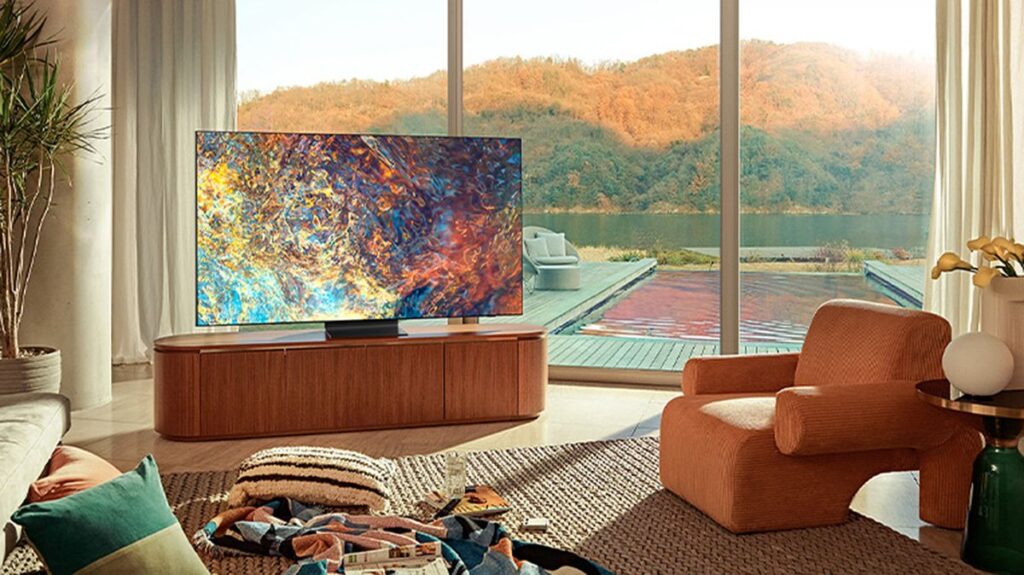
Neo QLED takes QLED a step further by integrating Mini-LED technology. These Mini-LEDs are significantly smaller than traditional LEDs, allowing for more precise control of brightness and contrast. Combined with the quantum dot layer, Neo QLED TVs deliver exceptional picture quality.
Advantages of Neo QLED TVs
- Improved Contrast and Black Levels: Mini-LEDs enable better local dimming, resulting in deeper blacks and enhanced contrast.
- Refined Brightness Control: With more precise light control, Neo QLED TVs provide smoother transitions between bright and dark areas.
- Enhanced HDR Performance: High Dynamic Range (HDR) content looks more dynamic and realistic on Neo QLED displays.
- Sleeker Design: The use of Mini-LEDs allows for thinner panels, contributing to a more modern and space-saving design.
Limitations of Neo QLED TVs
- Higher Price: Neo QLED TVs typically come with a premium price tag, reflecting their advanced features.
- Diminishing Returns in Small Rooms: The benefits of Neo QLED technology may not be as noticeable in smaller spaces or casual viewing setups.
Key Differences Between QLED and Neo QLED
| Feature | QLED | Neo QLED |
|---|---|---|
| Backlighting | Standard LED | Mini-LED |
| Brightness | High | Higher with better precision |
| Contrast | Moderate | Exceptional with deeper blacks |
| HDR Performance | Good | Superior |
| Price Range | Affordable to Mid-Range | Premium |
| Ideal Use Case | Bright rooms, budget-friendly | High-end home theaters, gamers |
Which One Should You Choose?
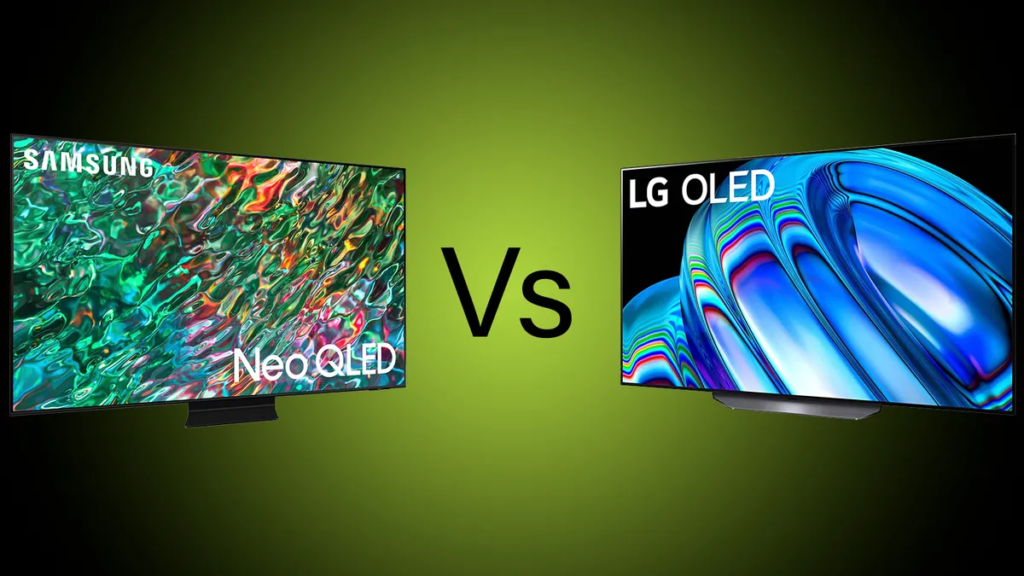
Choose QLED If:
- You have a well-lit room and need a TV that handles brightness well.
- You want vibrant colors for an immersive viewing experience.
- You’re looking for a high-quality TV at a reasonable price.
Choose Neo QLED If:
- You value superior contrast and black levels for watching movies or gaming.
- You’re building a home theater and want the best picture quality.
- You’re willing to invest in a premium TV with cutting-edge technology.
Conclusion
Both QLED and Neo QLED TVs offer remarkable viewing experiences, but the right choice depends on your specific needs, budget, and home setup. QLED is an excellent option for those seeking vibrant colors and high brightness at an affordable price, while Neo QLED is ideal for users who prioritize top-tier contrast, HDR performance, and advanced features. By understanding the strengths of each technology, you can select the TV that best suits your home and lifestyle.