
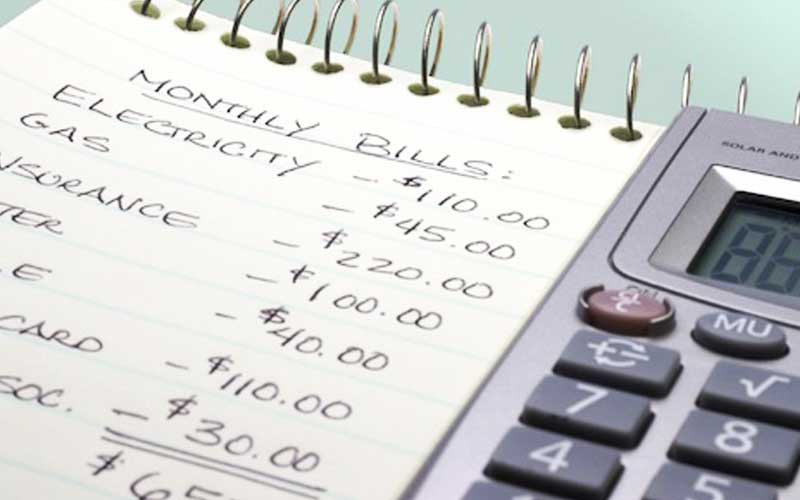
Imagine meticulously planning a grand vacation, only to find your budget in shambles because of small, overlooked purchases—an extra coffee here, an impulse snack there. Just as a leaky faucet can drain your savings without you realizing it, tiny expenses can silently erode even the most well-structured financial plans.
Tracking these seemingly insignificant outlays isn’t just about penny-pinching; it’s about gaining control over your financial destiny and aligning your spending habits with your long-term goals. In a world where convenience reigns supreme and cashless transactions blur our awareness of expenditures, the need for vigilance has never been greater.
Small expenses often masquerade as harmless indulgences or necessary conveniences, but when accumulated over time, they can lead to unexpected deficits in our budgets. By honing in on these little leaks in our financial ship, we not only prevent them from sinking us but also create opportunities for smarter spending and savings.
Join us as we explore why tracking small expenses is not merely an exercise in frugality but a foundational pillar of budget success that empowers you to take charge of your finances with confidence and clarity.
Importance of Tracking Small Expenses
Tracking small expenses is often overlooked, yet these seemingly insignificant transactions can dramatically impact your financial health. Each minor purchase—be it a coffee, snack, or subscription service—accumulates over time, subtly draining your budget without you even noticing.
By keeping an eye on these expenditures, you’re not only gaining clarity on where your money actually goes but also identifying patterns that may be leading to unnecessary spending. Moreover, understanding the cumulative effect of small expenses allows for more informed decision-making.
For instance, if you notice that daily takeout adds up to a substantial amount each month, you can explore alternatives like meal prepping or packing lunches.
This shift not only fosters healthier habits but also empowers you to redirect those funds toward savings or investments that align with your bigger financial goals.
Ultimately, by diligently tracking and analyzing small costs, you cultivate mindfulness in your spending habits—an essential ingredient for long-term budget success.
Understanding Small Expenses in Budgeting

Small expenses often slip under the radar, yet they wield significant influence over your overall financial health. Every coffee shop visit or spontaneous snack adds up, creating a hidden drain on your budget that can derail even the most meticulously planned finances.
By tracking these minor costs, you unveil patterns in your spending habits that reveal critical insights about your lifestyle choices and priorities. This process empowers you to make intentional decisions—maybe that daily latte isn’t as essential as you’d once thought.
Furthermore, understanding small expenses can foster a sense of mindfulness around money. When you begin to account for every little expenditure, it encourages deeper reflection on what truly brings joy and satisfaction into your life.
As you become more aware of where each dollar goes, you’ll likely discover opportunities for savings that seem insignificant at first but accumulate over time—like switching from takeout to home-cooked meals or opting for a library book instead of purchasing new ones.
Ultimately, this awareness cultivates a stronger connection with your financial goals and paves the way toward sustainable budgeting success.
Common Categories of Small Expenses
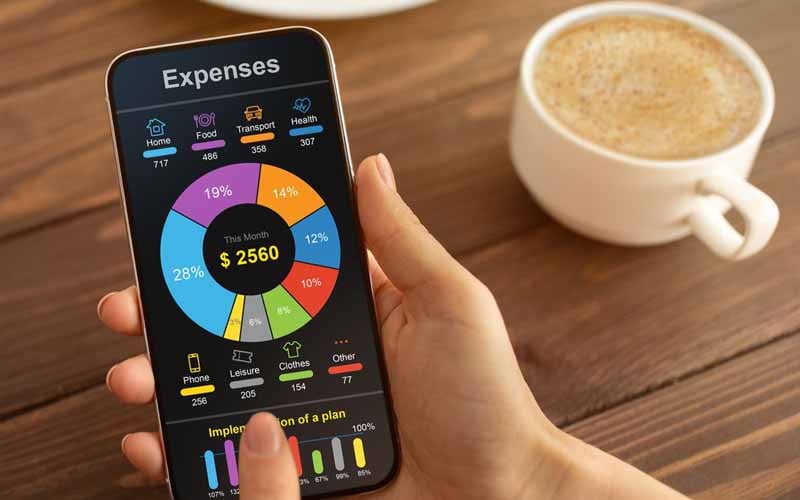
When it comes to small expenses, certain categories tend to accumulate quickly without us even realizing their impact on our overall financial health. One of the most common culprits is daily coffee shop visits. That seemingly harmless $4 latte can add up to over $1,000 a year!
Transitioning from daily indulgences to more thoughtful purchases, such as brewing coffee at home a few days a week, not only unlocks savings but also opens up new opportunities for mindfulness about consumption.
Another often-overlooked category is digital subscriptions. With an array of streaming services, app memberships, and online subscriptions available, it’s easy to lose track of monthly payments that might seem minor individually but can total hundreds annually.
Regularly reviewing these services and canceling those you don’t utilize guarantees that your dollars are working effectively for you rather than disappearing into the abyss of automatic renewals.
By shining a light on these overlooked expenses and reassessing how we spend in our everyday lives, we enhance our budgeting strategy significantly while potentially rediscovering activities and hobbies that bring genuine joy without breaking the bank.
How Small Expenses Add Up Over Time

It’s easy to overlook small expenses in our day-to-day lives, but these seemingly insignificant costs can snowball into a substantial sum over time.
A daily coffee run, an impulse snack, or that occasional takeout dinner may seem harmless in isolation, yet when multiplied over weeks and months, they often reveal startling figures.
Instead of simply tallying up large expenses like rent or utilities, examining these minor expenditures provides a more complete picture of your financial landscape.
Consider this: if you spend just $5 on coffee every weekday, that’s $25 a week—totaling around $1,300 a year! What if those funds were redirected toward savings or investments?
Tracking these small expenses not only offers insight into your spending habits but also empowers you to make conscious choices that align with your financial goals.
By becoming aware of where each dollar goes and prioritizing how you engage with smaller purchases, you’ll discover opportunities for significant savings that can lead to genuine lifestyle changes.
Tools for Tracking Your Daily Spending

In today’s digital age, tracking daily spending has never been more accessible, thanks to a multitude of apps and software designed specifically for financial management.
Tools like Mint and YNAB (You Need A Budget) not only allow you to categorize expenses but also provide real-time analytics that can shine a light on your spending habits.
By leveraging these platforms, users can set alerts for budget limits and receive insights about patterns they might not even notice in their day-to-day lives—like those sneaky subscriptions that accumulate without regular scrutiny.
Another innovative approach is the use of expense tracking features integrated into banking apps or credit cards.
Many institutions now offer built-in tools that automatically categorize expenditures, giving you an instant overview of where your money goes each month.
This convenience removes the additional step of manual entry while simultaneously encouraging greater awareness as you engage with these reports.
Coupling these tools with proactive strategies such as setting specific financial goals or journaling your emotions around spending can create a holistic framework for understanding and optimizing your finances.
Additionally, consider less conventional methods like using spreadsheets or budgeting journals if you prefer more tactile approaches.
Crafting custom templates allows you to personalize your tracking experience based on what matters most to you—be it treating yourself occasionally or planning ahead for larger expenses.
Whatever method resonates, the key is consistency; regular check-ins will transform vague figures into actionable data that empowers informed decisions moving forward.
Emphasizing mindfulness about daily choices paves the way for long-term financial health by transforming small expenses into significant savings over time.
The Psychological Impact of Expense Awareness

Expense awareness transcends mere financial tracking; it spurs a profound psychological shift. When individuals actively monitor their spending, they cultivate a heightened sense of control over their finances.
This engagement encourages mindfulness, transforming the often mindless act of spending into a deliberate decision-making process. As people recognize how small purchases accumulate, they begin to rethink not just their habits but also their values and priorities.
Moreover, this awareness can foster positive behavioral changes that ripple beyond personal finance. It often sparks discussions around financial literacy within households and communities, leading to more informed consumers who are better equipped to navigate their economic environments.
When one begins to appreciate the impact of each dollar spent—no matter how trivial it may seem—they simultaneously reinforce self-discipline and accountability.
Ultimately, expense awareness becomes more than an exercise in budgeting; it’s an empowering journey toward emotional well-being and financial independence that reshapes one’s relationship with money for the long haul.
Incorporating Small Expense Tracking into Monthly Budgets

Incorporating small expense tracking into monthly budgets unlocks a powerful strategy for optimizing financial health. Often, we view these minor costs—like a morning coffee or that spontaneous snack— as inconsequential.
However, when aggregated over time, these seemingly trivial expenses can wreak havoc on your budget and thwart savings goals. By diligently recording every purchase, no matter how small, you cultivate awareness and accountability in your spending habits.
Beyond merely avoiding overspending, this meticulous approach can highlight patterns that demand attention. For instance, you might discover a tendency to indulge in frequent takeout meals or unnecessary subscription services that add up steadily each month.
Armed with this knowledge, you can pivot towards more mindful choices—perhaps brewing coffee at home or reevaluating those subscriptions—which not only curbs excess spending but also fosters healthier financial habits overall.
Taking the time to track these small expenses transforms them from invisible leaks in your budget into actionable insights for better fiscal management.
Empowering Your Financial Future Through Awareness

In today’s fast-paced world, awareness is the first step toward financial empowerment. By adopting a habit of tracking even the smallest expenses, you weave a safety net that serves to protect and enhance your financial well-being.
It’s not simply about recording numbers; it’s about understanding the narratives those numbers tell about your spending habits and priorities. When you illuminate these seemingly trivial expenditures, you gain insights into patterns that can be adjusted for a more strategic allocation of resources.
Furthermore, this heightened awareness fosters a sense of control over your finances that many might find elusive in their daily lives. As you identify areas where small changes can lead to significant savings, you’ll empower yourself to make informed decisions that align with your long-term goals.
Being proactive in managing small expenses cultivates mindfulness in all aspects of financial planning—encouraging smarter choices and reducing anxiety around money management.
Ultimately, by transforming how you view everyday spending into an opportunity for growth, you’re not only budgeting wisely; you’re paving the way for a future where financial stability is within reach and sustainable wealth is achievable.