

Shopping during high-inflation periods can feel like a constant struggle, with prices rising on everything from groceries to gas. However, with a few smart strategies, you can manage your expenses and make your money go further. Here’s how to navigate inflation and continue shopping wisely.
1. Stick to a Budget

One of the most effective ways to shop smarter during inflation is by creating a realistic budget and sticking to it. With prices climbing, it’s easy to overspend, especially when shopping impulsively. Having a clear picture of your income, regular expenses, and savings goals can help you stay focused.
Tip: Use budgeting tools like Mint, YNAB (You Need A Budget), or EveryDollar to track your spending and adjust as necessary. These apps can help you identify areas where you can cut back and prioritize necessities.
2. Embrace Price Comparison
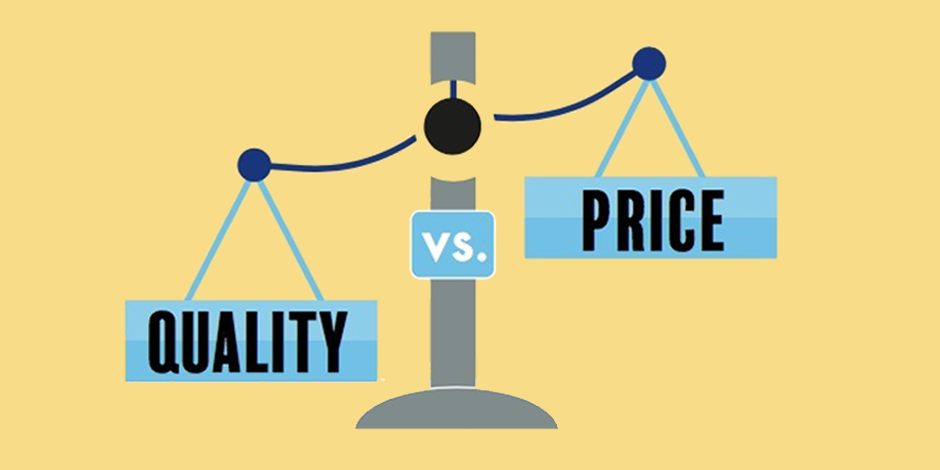
Prices fluctuate more than ever during inflation, so it’s important to compare prices before making purchases. Whether you’re shopping online or in-store, take advantage of tools and apps that help you compare prices across different retailers. This ensures that you’re getting the best deal possible.
Price comparison tools to try:
- Google Shopping: Offers a straightforward way to compare prices from various retailers.
- ShopSavvy: An app that lets you scan barcodes or QR codes to compare prices.
- Honey: A browser extension that finds discounts and compares prices for online shopping.
3. Take Advantage of Sales and Discounts

Sales events, like Black Friday, end-of-season clearances, and store promotions, are an opportunity to shop smarter during inflation.
Be strategic with your timing and buy when the items you need are discounted. However, be careful not to fall into the trap of purchasing unnecessary items simply because they’re on sale.
Tip: Sign up for email newsletters or loyalty programs to stay informed about upcoming sales and promotions. Many stores offer exclusive discounts to subscribers.
4. Consider Bulk Buying
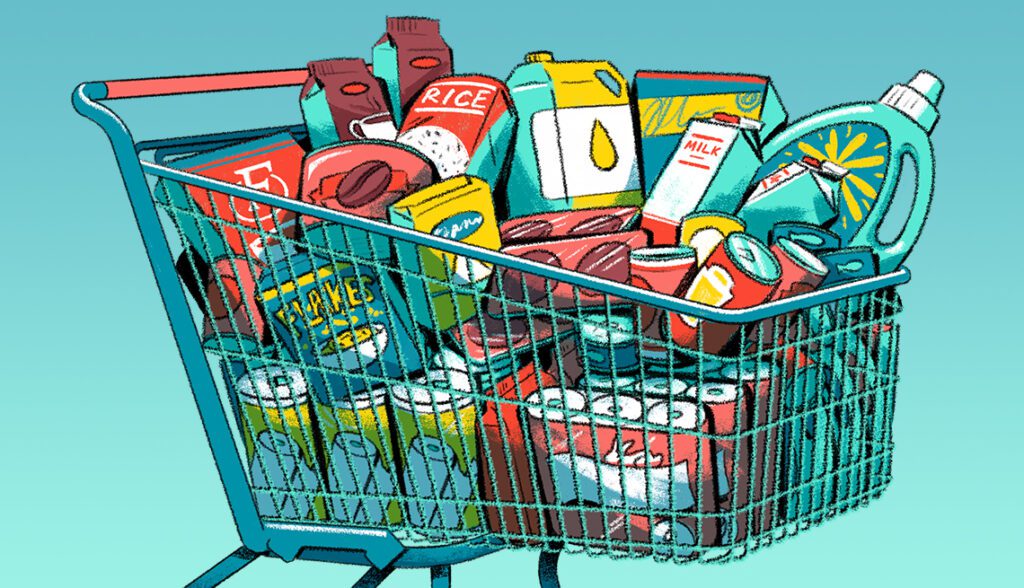
Buying in bulk can be an effective way to save money on items you use regularly, especially during inflationary periods. Many bulk retailers offer lower prices per unit on food, household products, and even personal care items.
Where bulk buying works best:
- Non-perishable goods: Things like canned goods, pasta, rice, and toilet paper are ideal for bulk buying because they last longer and help you avoid price hikes in the future.
- Membership clubs: Stores like Costco, Sam’s Club, or BJ’s Wholesale offer discounts on bulk purchases, which can be particularly helpful for large families or those with significant storage space.
5. Reduce Non-Essential Purchases

During inflation, prioritizing your needs over wants becomes crucial. To avoid overspending, review your discretionary spending (dining out, entertainment, non-essential shopping) and find areas to cut back. Consider replacing expensive activities with more affordable or free alternatives.
For example:
- Opt for home-cooked meals instead of eating out.
- Borrow books, movies, or tools from libraries or friends rather than buying them.
- Choose outdoor activities like hiking or biking over costly entertainment options.
6. Use Coupons and Cashback Offers
Coupons, cashback apps, and discount codes are always great ways to save money, but they become even more important when inflation is high. Take the time to search for digital coupons, promo codes, and cashback offers before making a purchase.
Apps and websites to consider:
- Rakuten (formerly Ebates) offers cashback on purchases made through their site at partnered retailers.
- Ibotta allows you to earn cashback on groceries and other purchases by submitting receipts.
- Groupon is perfect for finding discounted deals on services, activities, and local restaurants.
7. Plan Purchases Around Seasonal Trends

Inflation affects prices in different ways depending on the season. For instance, grocery prices tend to rise for certain items (like produce) during off-seasons due to supply chain constraints. By planning your meals and purchases around seasonal items, you can save money.
Strategy:
- Buy fresh produce in-season: Seasonal fruits and vegetables are often cheaper and fresher than those out of season.
- Shop for clothing during end-of-season sales: Winter clothing is typically discounted in the spring, and summer wear is cheaper in the fall.
8. Be Mindful of Subscription Services

Many people forget to check their recurring subscriptions, which can drain your bank account during times of inflation. Take stock of all your monthly subscriptions, whether it’s streaming services, software, gym memberships, or product deliveries.
Tip: Look for ways to share or downgrade services. For example, you could split a streaming service subscription with a friend or opt for a more affordable gym membership.
9. Prioritize Quality Over Quantity
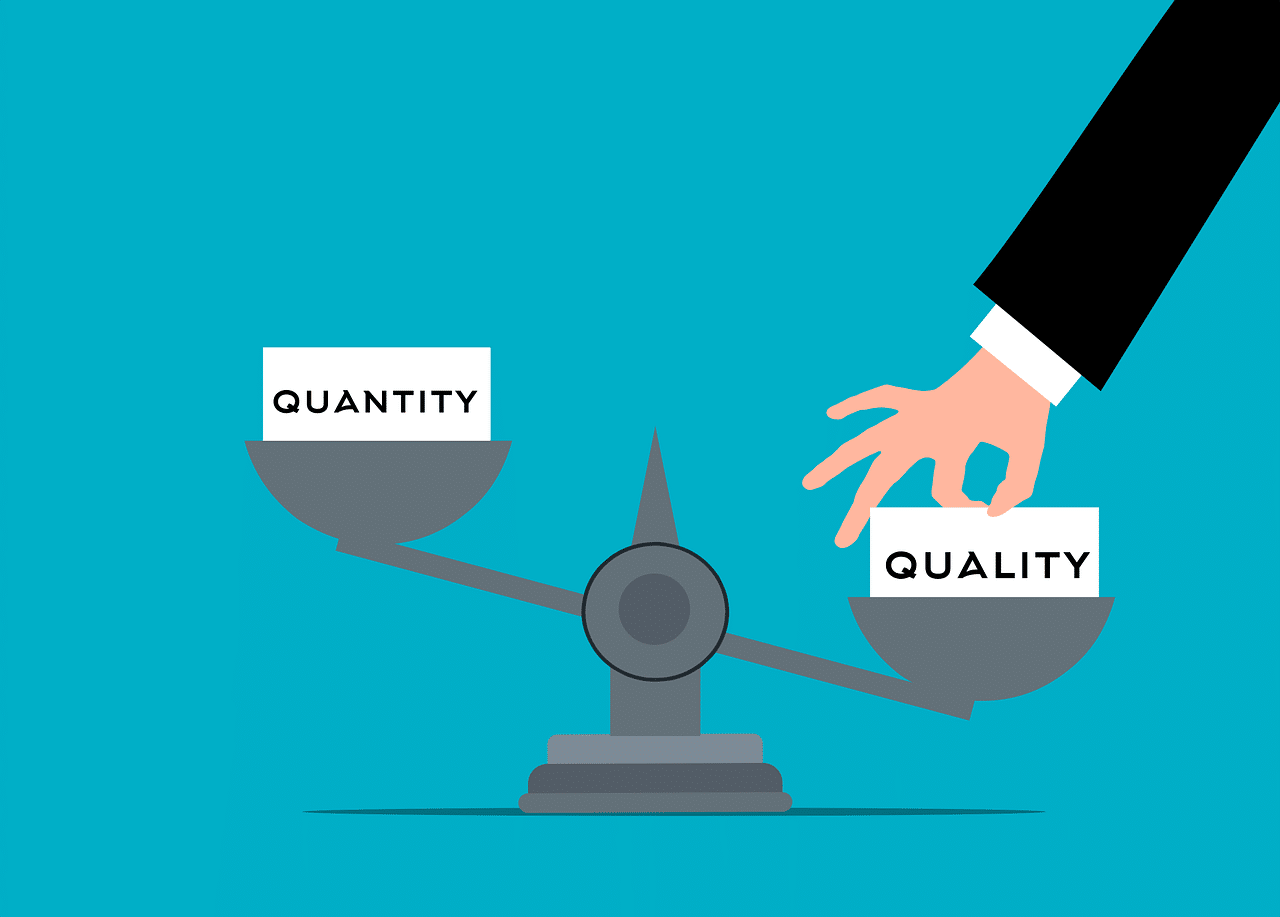
In an effort to save money during inflation, some people might buy cheaper, lower-quality products. While this can sometimes be a smart choice, it’s important to assess whether the lower price is worth the potential decrease in quality.
Sometimes, spending a little more upfront can save you money in the long term by ensuring better durability and fewer replacements.
Example:
- Instead of purchasing low-quality, cheap shoes that may wear out quickly, invest in a more durable pair that will last longer.
10. Be Strategic with Credit Cards

During inflation, using credit cards strategically can help you manage cash flow and earn rewards. Look for credit cards that offer cash back on essential purchases or points that can be redeemed for travel or gift cards. Just be sure to pay off the balance each month to avoid high-interest charges.
Tip: Some credit cards offer 0% introductory APR for purchases and balance transfers, which could be useful if you’re making larger purchases during high-inflation periods.
Shopping smart during high-inflation periods requires a combination of strategic planning, price comparison, and budgeting. By making mindful decisions about when, where, and how you shop, you can still enjoy the things you need and want without breaking the bank. With these strategies, you can beat inflation and maintain financial stability, even in uncertain economic times.