

Shopping during a recession requires a strategic approach, as economic downturns often bring job insecurity, inflation, and reduced consumer confidence.
However, with the right strategies, it’s possible to continue making smart purchases while safeguarding your finances. Below are some effective strategies for shopping during tough economic times:
1. Focus on Necessities and Prioritize Spending

During a recession, it’s essential to differentiate between needs and wants. Essentials such as food, healthcare, and utility bills should be your top priority. Discretionary spending on luxury items, expensive clothing, or entertainment should be minimized unless absolutely necessary.
Consumer financial experts often recommend creating a “needs vs. wants” list to help make spending decisions easier. This helps prevent impulse buys and ensures your limited resources go toward items that genuinely add value to your daily life .
2. Take Advantage of Discounts and Promotions

Retailers often offer discounts, promotions, and sales, especially during a recession, as they seek to attract cautious consumers. This can be a good opportunity to stock up on essential items at a lower price.
Shopping during major sales events like Black Friday or end-of-season clearances can allow you to buy high-quality items for less.
It’s also helpful to use coupon apps or sign up for loyalty programs that offer exclusive discounts to members.
Many retailers offer discounts for first-time shoppers or for subscribing to their email lists, so don’t overlook these options.
3. Shop Secondhand or Refurbished Products

During a recession, more consumers are turning to secondhand or refurbished goods as a way to save money. Shopping at thrift stores, garage sales, or online marketplaces like eBay or Facebook Marketplace can yield high-quality items at a fraction of their original price.
Refurbished electronics, for instance, are often tested and restored to like-new condition, making them a great option if you need to purchase tech gadgets but want to avoid paying full price. Many reputable sellers provide warranties on these items, offering peace of mind.
4. Embrace Cash-Back and Rewards Programs
Many credit cards and financial apps now offer cash-back rewards or other incentives for purchases. If you’re using a credit card to shop, choose one that provides a percentage of cash back or rewards for essential categories like groceries, gas, or home improvement.
This helps you get something back for your purchases, which is especially valuable during tight financial times. Grocery store loyalty programs also often provide discounts and rewards on future purchases.
Signing up for these programs can help stretch your budget further and ensure that every dollar spent contributes to your overall savings.
5. Buy in Bulk or Stock Up on Non-Perishables
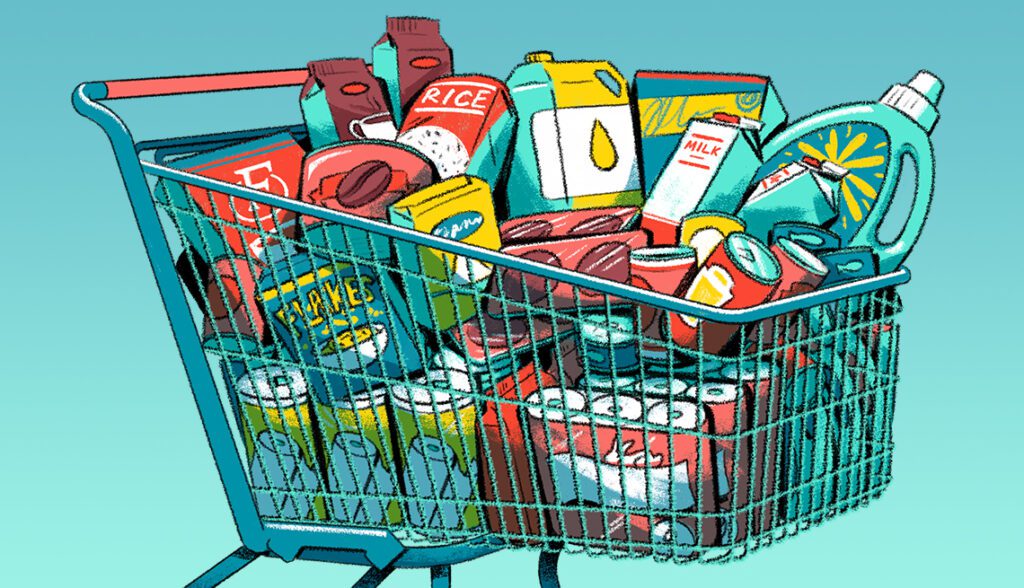
When possible, consider buying in bulk for items that are non-perishable or have a long shelf life. Products like toilet paper, cleaning supplies, and canned goods are often available at lower prices per unit when bought in bulk.
Bulk buying can significantly reduce the overall cost of household goods over time, especially if prices are expected to rise due to inflation.
However, be mindful not to overbuy or purchase items you won’t use in the near future. Overbuying can lead to waste and unnecessary spending, which defeats the purpose of the bulk-buying strategy.
6. Use Price Comparison Tools
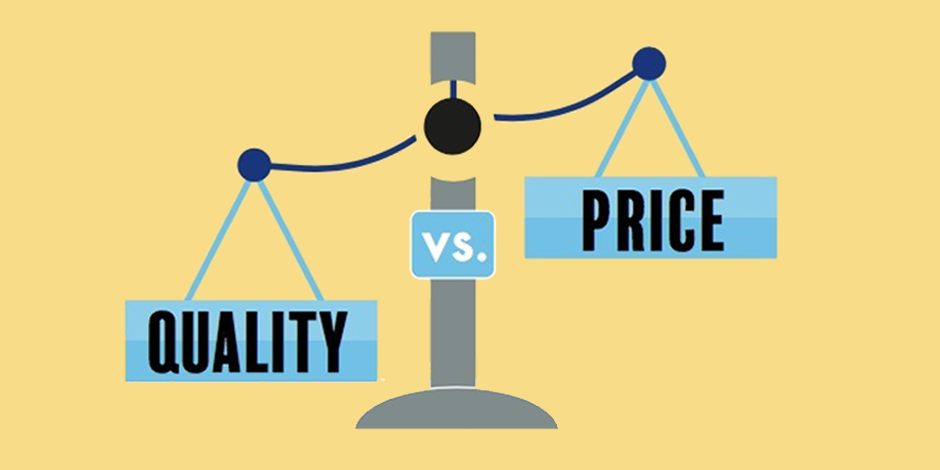
During a recession, every dollar counts, so make sure you’re always getting the best deal. Use price comparison websites and apps to check if you’re getting the lowest possible price on the products you want.
Many apps allow you to scan barcodes while shopping, instantly showing you prices from multiple retailers. You can also sign up for alert systems that notify you when an item goes on sale or when its price drops.
Some popular price comparison tools include Honey, Google Shopping, and PriceGrabber. These tools make it easier to compare prices across stores, helping you avoid overpaying.
7. Plan and Stick to a Budget

In uncertain economic times, it’s more important than ever to stick to a budget. Create a monthly budget that outlines your income, necessary expenses, and discretionary spending limits. Tracking your spending can help prevent impulse purchases and ensure that you stay within your financial means.
If you find that your budget is stretched thin, consider using budgeting tools like Mint or YNAB (You Need a Budget), which help you track and categorize your spending to stay on top of your financial goals.
8. Invest in Long-Term Durability

When making purchases, think about the longevity of the products. Durability is especially important during a recession, as you want to avoid frequent replacements or repairs.
Investing in high-quality, durable items—such as appliances, clothing, or shoes—can help you save money in the long run, even though they may have a higher upfront cost.
For example, instead of constantly replacing cheaper products that wear out quickly, invest in items that are built to last and come with a warranty.
This approach minimizes the need for future purchases and ensures you get good value for your money.
9. Shop Local and Support Small Businesses

While large retailers often provide discounts, don’t forget about supporting local businesses during a recession. Small businesses may offer more personalized services and may be more willing to negotiate prices.
Plus, shopping locally helps strengthen your community and can provide a sense of connection during tough times.
Look for local farmers’ markets, independent retailers, or service providers that may offer better prices or special deals for loyal customers.
Small businesses often have lower overhead costs than large corporations, allowing them to pass savings on to consumers.
10. Consider Delaying Purchases

If you don’t need something immediately, consider delaying purchases until prices drop or until you can find a better deal. Often, consumer demand decreases during a recession, leading to sales and clearance events.
Waiting can help you avoid overpaying for something you don’t urgently need, while also allowing time for research and comparison shopping. Shopping during a recession requires a combination of discipline, research, and strategic planning.
By focusing on essentials, utilizing discounts and rewards programs, and considering secondhand or bulk purchases, you can continue to meet your needs without overspending.
Most importantly, a recession is a time to rethink your long-term financial habits, ensuring that your spending aligns with your goals and priorities. With the right strategies in place, you can navigate a recession with confidence and protect your financial well-being.