

Grocery shopping is an essential part of our weekly routines, but it can also be one of the easiest areas to overspend. With the rising costs of food, it’s more important than ever to plan ahead to ensure that you’re getting the best value for your money.
By employing a few strategic tactics, you can cut costs without sacrificing quality or convenience. Here’s how you can plan your grocery shopping effectively to save money every week.
1. Create a Meal Plan for the Week
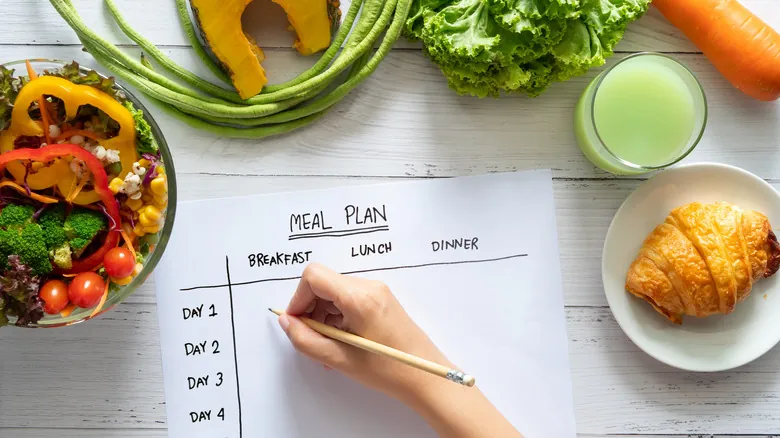
One of the best ways to save money on groceries is by having a meal plan for the week. When you know exactly what meals you’ll be cooking, you can create a precise shopping list and avoid impulse purchases. Here’s how to go about it:
- Review your pantry and fridge: Check what you already have before planning meals. You might be able to use ingredients that are about to expire or that you haven’t used in a while.
- Pick recipes you can make in bulk: Opt for meals that you can cook in larger quantities and repurpose throughout the week. This not only saves time but reduces food waste, as well.
- Incorporate leftovers: Plan meals that can easily be repurposed as leftovers for lunch or dinner. A roast chicken on Sunday can become chicken salad or sandwiches on Monday.
By creating a meal plan, you reduce the chances of last-minute shopping trips that lead to buying unnecessary items or overbuying ingredients.
2. Make a Detailed Shopping List

Once you have your meal plan, make a shopping list based on the ingredients you’ll need. Sticking to your list is one of the best ways to avoid impulse buys, which can quickly add up. Here are some tips for creating an effective list:
- Group items by category: Organize your list by sections of the store (produce, dairy, frozen foods, etc.) to make your shopping trip more efficient and help you avoid backtracking.
- Include quantities: Be specific about how much of each item you need to avoid buying extra food that might go to waste.
- Use a shopping app: Consider using apps like Out of Milk or AnyList, which can help you stay organized and track your shopping list.
By having a clear list, you can stay focused and reduce the temptation to buy things you don’t need.
3. Shop Sales and Use Coupons

Look for sales and discounts to reduce your grocery expenses. Many grocery stores offer weekly sales on essential items, which can be a great opportunity to stock up on non-perishable or frozen foods that you know you’ll use.
- Coupons and rebates: Keep an eye on coupons in your local newspaper or download store-specific apps that offer digital coupons for additional savings. Many grocery stores also have loyalty programs that offer personalized discounts or rewards points.
- Price match: Some grocery stores, like Walmart, offer price matching. If another store has an item on sale, you can bring proof and get the same price at your store.
- Shop at discount stores: Don’t overlook discount or wholesale stores like Costco, Aldi, or Trader Joe’s, where you can often find high-quality products for lower prices.
Maximizing sales, coupons, and loyalty programs helps you make the most of your budget without compromising on quality.
4. Buy in Bulk When It Makes Sense

Buying in bulk can be a great way to save money, but only if you’re purchasing items you’ll actually use and that won’t spoil. Non-perishable items like rice, pasta, and canned goods are great bulk buys that last long and don’t go bad quickly. Additionally:
- Frozen foods: If you have the storage space, buying frozen fruits, vegetables, or even meat in larger quantities can save you money in the long run. They last longer and you only need to defrost what you need, reducing waste.
- Grains and beans: Bulk bins often offer grains, beans, and nuts at a lower price per unit compared to pre-packaged versions.
Be mindful to only buy in bulk if you have the storage capacity and if the items have a long shelf life to avoid waste.
5. Avoid Shopping When You’re Hungry
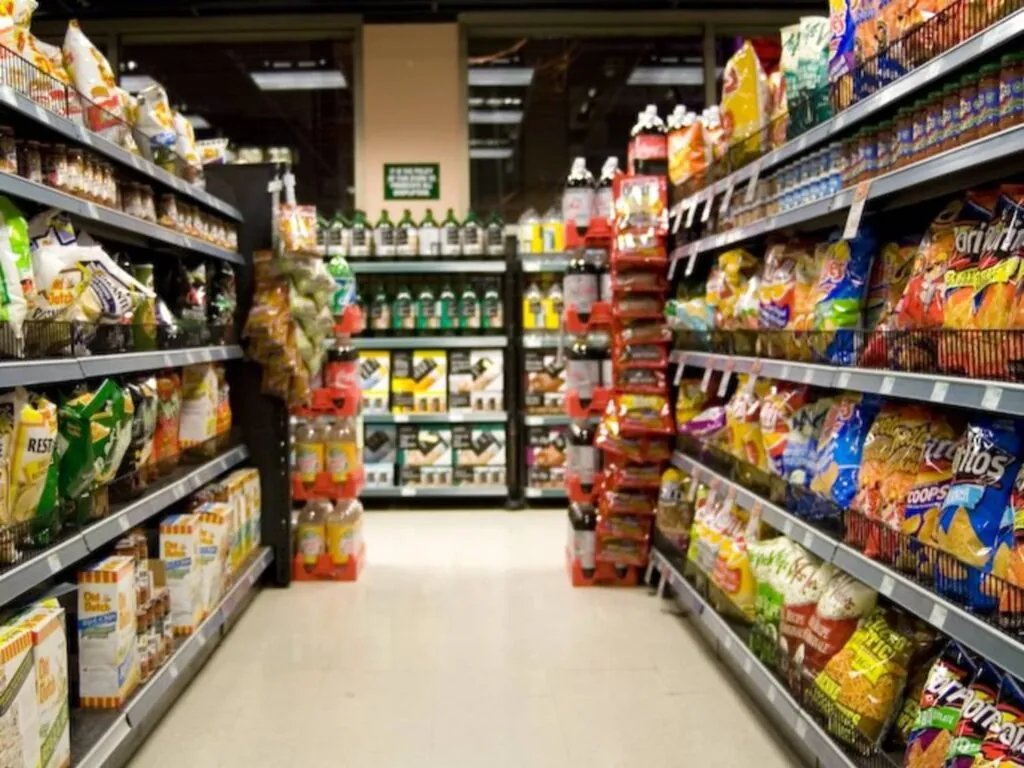
It’s a well-known shopping trap: you’re hungry, and everything looks delicious. To avoid this common mistake, try to shop after you’ve eaten or have a healthy snack before heading out. When you’re hungry, you’re more likely to make impulsive purchases, especially on unhealthy snacks or items you don’t need.
Sticking to your shopping list becomes much easier when you’re not distracted by cravings or the allure of comfort foods.
6. Take Advantage of Store Brands
Many grocery stores offer store-brand products that are often just as good (if not better) than name-brand options. Store brands tend to be less expensive, and in some cases, they are made by the same manufacturers as their more expensive counterparts.
- Compare labels: Check the ingredient list and nutrition information to ensure there’s no significant difference in quality between store and name-brand items.
- Try alternatives: For items like spices, grains, and basic staples, store brands can save you a lot of money without sacrificing quality.
7. Shop Seasonally and Locally

Seasonal produce is typically cheaper, fresher, and tastier than out-of-season fruits and vegetables. Shopping at local farmers’ markets or stores that source products locally often allows you to get fresh, in-season items at lower prices.
- Know what’s in season: Learn which fruits and vegetables are in season in your area and plan your meals around these items. For example, root vegetables like potatoes and carrots are typically cheaper in the fall and winter months.
- Frozen produce: If fresh produce isn’t in season, frozen fruits and vegetables can be a more affordable alternative that still provides essential nutrients.
By shopping seasonally and locally, you can enjoy fresher ingredients at a lower cost.
8. Avoid Pre-Packaged or Pre-Cut Foods
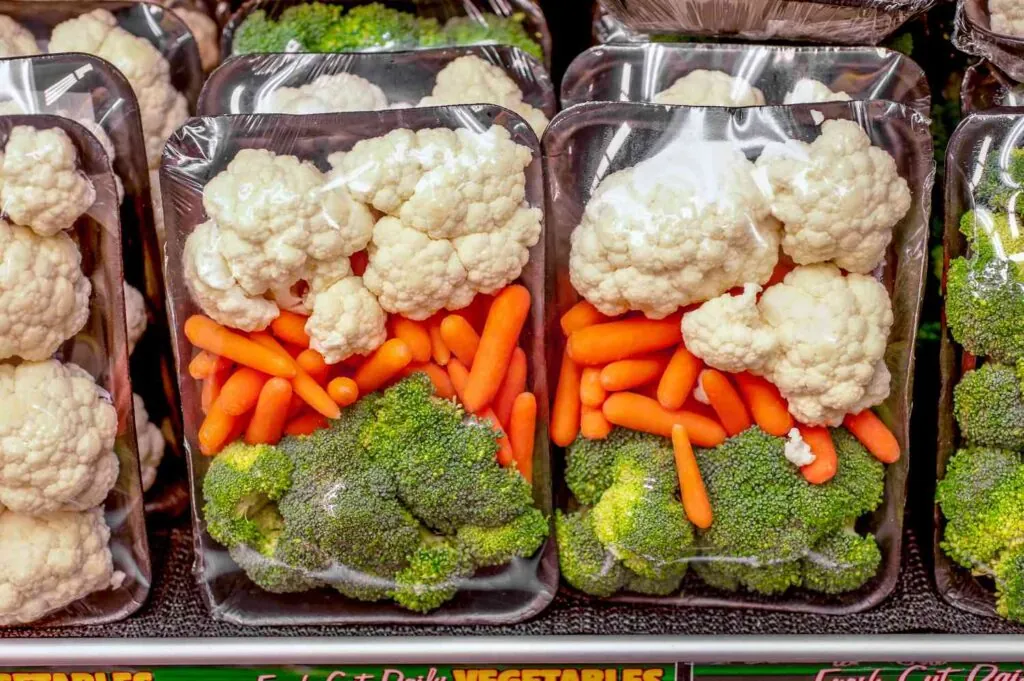
Convenience comes at a price, and pre-packaged or pre-cut foods are no exception. While they save time, these items are often significantly more expensive than their whole counterparts. For example:
- Whole vegetables vs. pre-cut: Buying a whole cucumber or head of lettuce is typically much cheaper than purchasing pre-cut versions.
- Whole chickens vs. pre-cooked or pre-cut: Buying a whole chicken and cutting it yourself can save you a significant amount of money compared to buying pre-cooked or pre-packaged chicken pieces.
When you can, opt for whole ingredients and take a little extra time to prepare them yourself. This small effort can result in substantial savings over time.
9. Keep an Eye on Your Grocery Store’s Loyalty Program

Many grocery chains have loyalty programs that reward frequent shoppers with discounts, special promotions, and even personalized coupons. These programs can significantly lower your grocery bills if used strategically.
- Sign up for rewards: Make sure you sign up for any loyalty programs available at your local grocery store, and regularly check for new promotions or discounts available to members.
- Use personalized offers: Some stores will send you coupons based on your shopping history, so pay attention to these targeted savings.
Loyalty programs can offer significant savings if you shop regularly at the same stores.
Grocery shopping doesn’t have to break the bank. By planning your meals, making a shopping list, taking advantage of sales, and being mindful of how and what you buy, you can keep your grocery bills under control. Implementing these strategies consistently will help you save money each week and make your grocery shopping experience both cost-effective and enjoyable.